

BEING HUMAN Conversation
TUES 21 APRIL 2026
6:30PM – 7:45PM AEST
IN PERSON AND LIVESTREAM
The Ethics Centre
Level 1, 161 Castlereagh St
Sydney, 2000
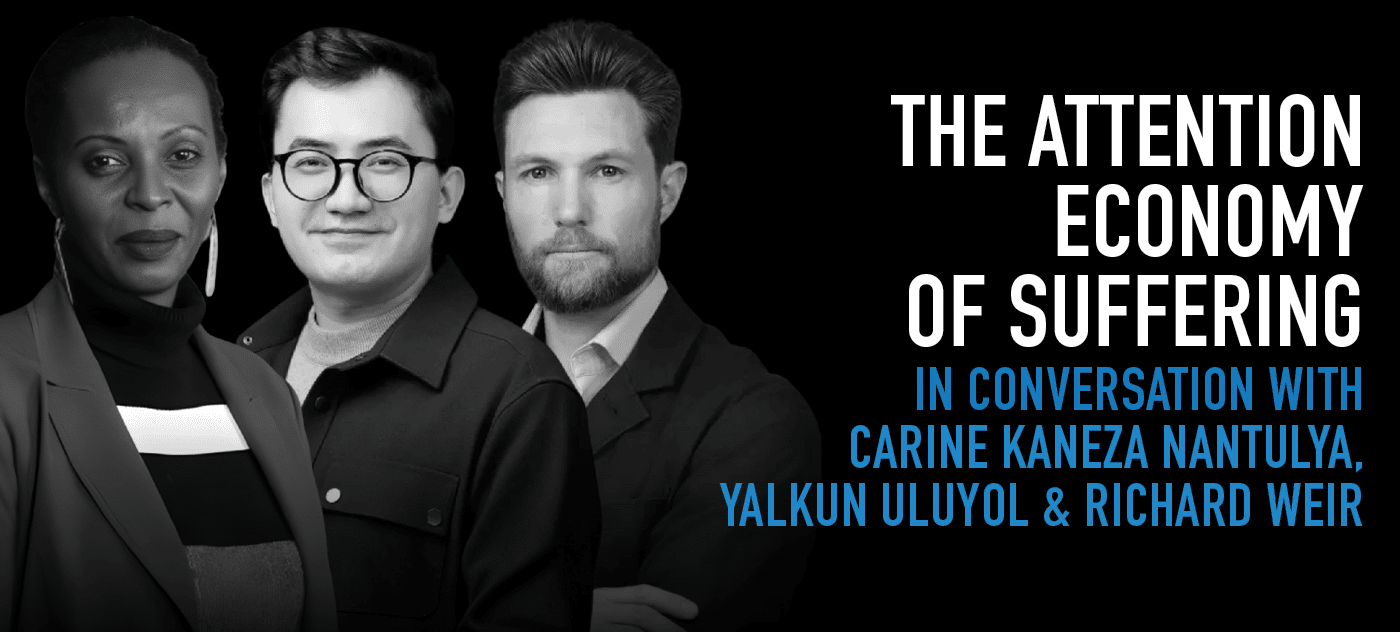
From forgotten conflicts to crises that dominate headlines – when, and how, should the world act?
This panel explores the ethical and legal dilemmas at the heart of international human rights and humanitarian law: why some emergencies mobilise global action while others are ignored, and how definitions of what’s lawful evolve over time.
As the rules-based world order we’ve come to rely on begins to shift, what will change before, during and after conflict? Which crises demand our attention – and who decides?
International humanitarian law is, at its core, a deal with humanity. As conflict, politics and human rights collide, a new global order is taking shape. Will the best – or the worst – of humanity prevail?
Hosted by Dr Simon Longstaff AO and featuring leading experts on human rights in the Middle East, Africa and China, this urgent conversation asks what responsibility really looks like in an unequal world.
The Ethics Centre’s ‘In Conversation with…’ series is an intimate opportunity to delve into contemporary issues we are grappling with – and perhaps see things from a different perspective.
Live stream ticket holders will be able to watch on demand for up to 14 days post-event.
This event is presented in partnership with Human Rights Watch.
Speakers
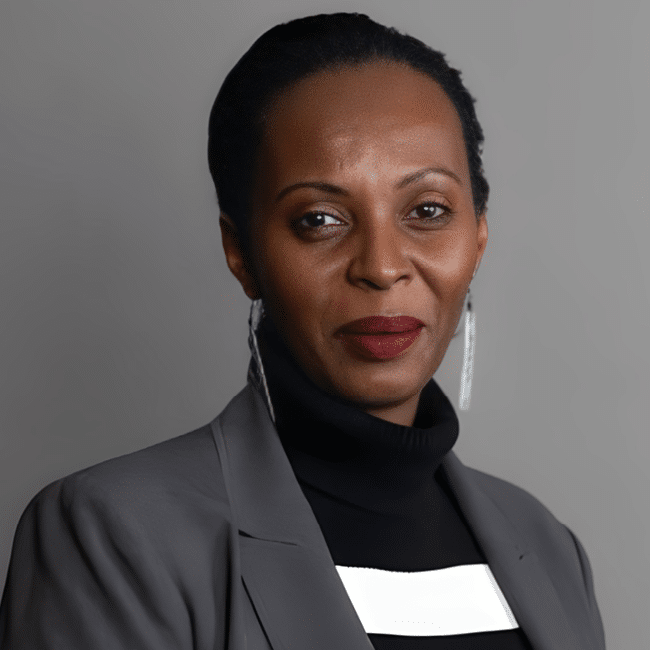
Carine Kaneza Nantulya
Carine Kaneza Nantulya is a deputy director within the Africa division at Human Rights Watch. From 2018 to 2022, she was HRW’s Africa advocacy director, overseeing the division’s advocacy portfolio in approximately 30 countries in Sub-Saharan Africa. She is a transitional justice practitioner with twenty years’ experience in human rights programming and conflict resolution in Burundi, Uganda, Sierra Leone, and South Africa, among other countries. She led a regional human rights program called “New Tactics in Human Rights” at the Desmond Tutu Peace Centre, Cape Town, South Africa, where she focused on cross-regional learning and training on human rights advocacy strategy and tactics. She has also worked on the peace negotiations between the Ugandan government and the Lord’s Resistance Army, advising the negotiation teams. She has worked as an independent consultant and evaluator for governments as well as international and African organizations, including the National Unity and Reconciliation Commission of Rwanda, the Forum of Conscience in Sierra Leone, United Nations Development Program (UNDP) in Uganda, the Ugandan Ministry of Justice, Search for Common Ground, Global Rights, and the Juba Initiative Fund (JIP) of the peace process between the government of Uganda and Lord’s Resistance Army (LRA). Carine holds a master’s degree in Human Rights Law and International Humanitarian Law from the University of the Western Cape in South Africa.
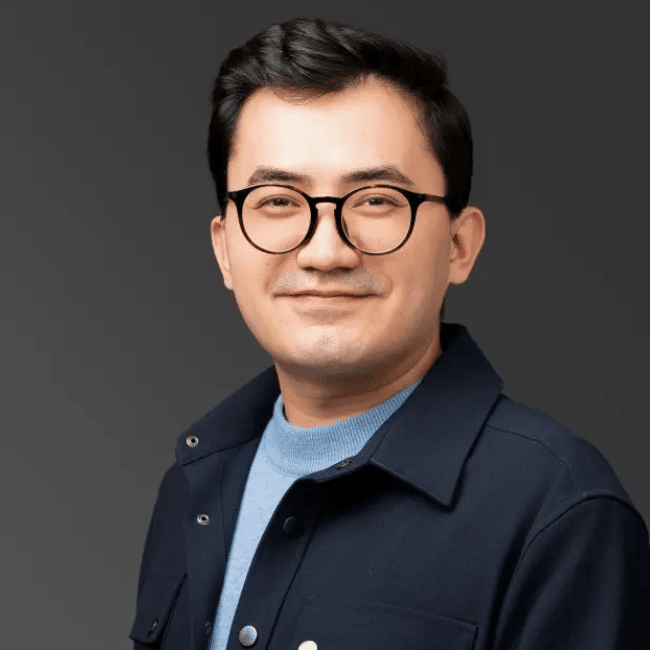
Yalkun Uluyol
Yalkun Uluyol is the China researcher at Human Rights Watch. His research and publications primarily focus on China and a wide range of topics, including international political economy, foreign policy, civil and political rights, religious freedom, forced labor, and transnational repression. Prior to joining Human Rights Watch, Yalkun was a researcher investigating Uyghur forced labor and global supply chains at the Forced Labor Lab at Sheffield Hallam University. He was also a co-founder of the project – Uyghur Rights Monitor – leading research on government officials and entities complicit with atrocities in Xinjiang Uyghur Autonomous Region. Yalkun holds a bachelor’s in economics from Istanbul University and a PhD in International Relations from Koç University, where he worked as a teaching and research assistant. His PhD dissertation compares Turkish and Malaysian foreign policy over the last two decades in response to the changing international order. During his PhD, he was a visiting research fellow at the National University of Malaysia. He is also a non-resident visiting fellow in the 2024-2025 academic year at Koç University Center for Asian Studies.
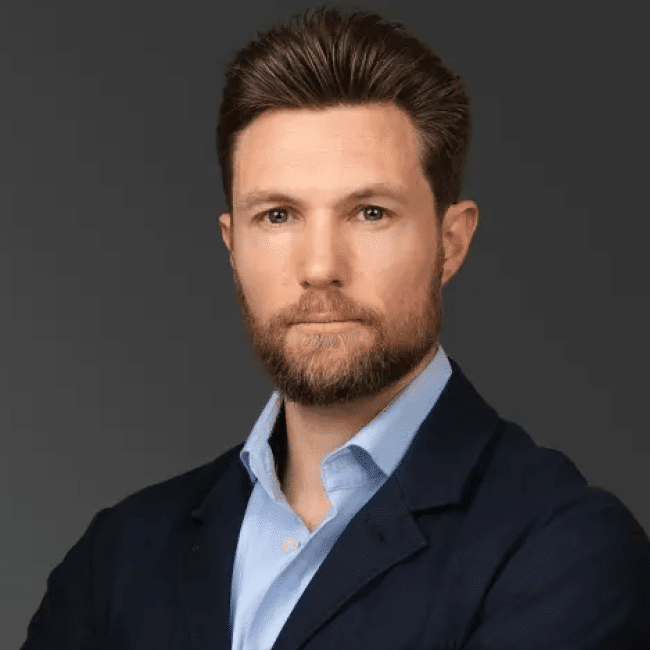
Richard Weir
Richard Weir is a senior researcher in the Crisis, Conflict and Arms Division at Human Rights Watch. He has investigated and documented violations of international humanitarian law and human rights law in numerous countries throughout Asia, the Middle East, and Europe, as well as other locations. Richard was previously the Human Rights Watch Myanmar researcher and was awarded the 2016-2017 Arthur R. and Barbara D. Finberg fellowship at Human Rights Watch. He also worked as a legal advisor at Diakonia’s Global International Humanitarian Law Centre on issues of international humanitarian and human rights law in the Middle East, focusing on Israel and Palestine. Richard holds a J.D. from the University of California, Berkeley, School of Law and a B.A. in political science from the University of California, Los Angeles.
Host

Dr Simon Longstaff AO
Dr Simon Longstaff began his working life on Groote Eylandt in the Northern Territory of Australia. He is proud of his kinship ties to the Anindilyakwa people. After a period studying law in Sydney and teaching in Tasmania, he pursued postgraduate studies as a Member of Magdalene College, Cambridge. In 1991, Simon commenced his work as the first Executive Director of The Ethics Centre. In 2013, he was made an officer of the Order of Australia (AO) for “distinguished service to the community through the promotion of ethical standards in governance and business, to improving corporate responsibility, and to philosophy.” Simon is an Adjunct Professor of the Australian Graduate School of Management at UNSW, a Fellow of CPA Australia, the Royal Society of NSW and the Australian Risk Policy Institute.