


'Vice' movie is a wake up call for democracy

America has sold a unique brand of exceptionalism.
Some say no modern nation surpasses its military, economic, scientific and cultural prowess. Prominent Americans revere their country as an “empire of liberty”, a “shining city on a hill”, the “last best hope on Earth,” and the “leader of the free world”.
These enduring paeans are an apparent result of America’s political philosophy. By privileging individual freedom for every citizen, the American finds themselves in a unique position all of the time: whenever they choose to do something, they exercise a political right.
This choice has come to be sacred. Vice is about the lengths a self-proclaimed patriot will go to protect it.
When director Adam McKay’s film The Big Short earned him an Oscar for screenwriting, audiences discovered the former SNL comic’s hidden skill – turning concepts that usually made people feel bored or stupid, engaging and funny.
It’s our luck that after the tenth anniversary of 2008 financial crisis, and one month after George H. W. Bush’s funeral, his next target of irreverence would be the shadowy figure of Dick Cheney.
Far from a hagiography, Vice – carried seamlessly by an unrecognisable lead in Christian Bale and a cuttingly ambitious Amy Adams as his wife Lynne – seems an unambiguous condemnation of the Bush-Cheney administration, an ancestor of today’s American right.
This is no typical biopic.
There are no sweeping landscapes and sombre confessionals in red-curtained studios, nor any attempt to feign journalistic objectivity. No off-screen interviewer neatly ties the narrative together and the fourth wall is broken in the first ten minutes.
Absurdity, characters addressing the viewer directly, and thick visual metaphors give Viceits unique personality (wait till you see the scene with the heart). McKay wants you to know he is speaking directly to you. This isn’t a squared off paragraph confined to history books. It is what shaped our present.
Make no mistake: just because it’s opinionated doesn’t mean it isn’t well researched. McKay told the New York Times that the movie encompassed “five decades of Cheney’s life, 200 locations and more than 150 speaking parts”. According to him, a more measured, less confrontational tone wouldn’t have suited the OTT political circus we live in now. “Why be subtle anymore?”
While a conservative backlash is to be expected, this Cheney is no bloodless monster. He’s human. An idealist. His tender love for his daughters and unquestioning devotion to his wife are the same qualities that bond him to the bawdy Donald Rumsfeld (Steve Carell), and the ranks of a post-Watergate GOP.
He’s a creature of a slower, sweeter time: honed by long scenes of fly-fishing and the vast plains of Wyoming. McKay contrasts this with the energetic, M&M crunching Bush, played by a chameleon-like Sam Rockwell.
Cheney watches and waits. And watches and waits. He leaves no trace. And he is in it for the long haul.
At its core, Vice is a story about democracy. It is a warning that the halls of power rarely grant wishes without demanding a sacrifice, and too often this sacrifice begins with stripping the humanity of the powerless. It is about the special accomplishment of the individual who advances into public life when retreating into privacy is the easiest and most natural thing to do.
It is an admission that envy, chronic discontent and loneliness are intrinsic to democracy, but that its expansive collectivism are how to combat it. It’s all of this, and a demand to keep paying attention.
In his letters, Alexis de Tocqueville speaks of his ambition “to point out if possible to men what to do to escape tyranny and debasement in becoming democratic.”
Philosopher Alexandre Lefebvre offers the following:
“He [Tocqueville] seems to say that tyranny and debasement are part and parcel of becoming democratic. But… [it] works the other way around as well: that in becoming democratic – that is, in becoming properly democratic, democratic in the right way – we can hope to escape the new kinds of tyranny and debasement that democracy brings about…
For as Tocqueville exhorts himself in an unpublished note, we must “use Democracy to moderate Democracy. It is the only path open to salvation to us.”
McKay, and Cheney, would agree.
Vice is released in movie theatres 26 December 2018.
Ethics in your inbox.
Get the latest inspiration, intelligence, events & more.
By signing up you agree to our privacy policy



BY Aisyah Shah Idil
Aisyah Shah Idil is a writer with a background in experimental poetry. After completing an undergraduate degree in cultural studies, she travelled overseas to study human rights and theology. A former producer at The Ethics Centre, Aisyah is currently a digital content producer with the LMA.


5 Movies that creepily foretold today’s greatest ethical dilemmas
Climate change. Nuclear war. Artificial intelligence. A new pandemic.
According to the non-profit organisation 80,000 Hours, these are the greatest threats to humanity today. Yet the big movie studios have been calling it for decades and were pondering the ethics behind these threats long ago.
1. Planet of the Apes (1968)
Seeing Charlie Heston scream in despair at a shattered Statue of Liberty still spooks the most apathetic viewer. And it’s as shocking a warning against nuclear weapons now as it was in the middle of the Cold War 50 years ago.
In Planet of the Apes, humans are being hunted. The primates they once experimented on have grown into intelligent, complex, political creatures. Humanity has regressed into primitive vermin to either be killed outright, enslaved, or used in scientific experiments. The strict ape hierarchy demands utility over compassion, holding a mirror up to the same vices that led humanity to destruction.
—————
2. 2001: A Space Odyssey (1968)
When a survey of living computer science researchers shows half think there’s a greater than 50 percent chance of “high-level machine intelligence” – one that reaches then exceeds human capabilities – it’s right to be concerned.
2001: A Space Odyssey begins with a jaunty trip to Jupiter. An optimistic team is led aboard by HAL 9000, the ship’s computer, but begin to suspect there’s more to the trip than they’ve been told.
After all, there are two sides to the utilitarian coin. What is murder to us is just programming to a robot.
—————
3. The Matrix (1999)
If reality is a simulation by super intelligent sentient machines, what does any self-respecting hacker do? Start a rebellion.
The Matrix goes even further than 2001: A Space Odyssey. Here, the machines are Descartes’ evil demon, unsatisfied with just killing us. Instead, they mine us for energy to survive, and keep us subservient on a diet of virtual reality. A world of love, work, boring parties, and paying bills occupy us while they use us as slaves.
The point of tension in The Matrix centres around the theory of Plato’s Cave. If you know what everyone is experiencing is an illusion, should you tell them?
—————
4. 28 Days Later (2002)
28 Days Later paints a bleak picture of a world unprepared to deal with the effects of an aggressive pandemic. And it’s not as unbelievable as it may seem. According to 80,000 Hours, the money invested into pandemic research isn’t nearly as much as we need.
From HIV-AIDS, Ebola, and Zika, we’ve seen countries drag their feet over who pays to contain one, or struggle to move people and supplies to where they’re needed.
“When you’re in the middle of a crisis and you have to ask for money”, says Dr. Beth Cameron at the Nuclear Threat Initiative, “you’re already too late”.
—————
5. Children of Men (2006)
What is arguably more important than any of these things is hope. And that’s what our last movie recommendation is about.
After two decades of unexplained female infertility, war, and anarchy, human civilisation is on the brink of collapse. Civil servant Theo Faron has lost all hope as the last generation of his species. Then he meets Kee – an illegal immigrant and the first woman to be pregnant in eighteen years.
The hope for a better future, for a future that is more just and more compassionate, adds intangible meaning to our struggles today. It becomes reasonable to struggle, to suffer, and even to die for this kind of hope.
What makes the hope of today different is that we are now closer to “hypotheticals” than we have ever been.
Are we prepared to turn this hope into action? Effective altruism offers one way to find out.
Ethics in your inbox.
Get the latest inspiration, intelligence, events & more.
By signing up you agree to our privacy policy




BY Aisyah Shah Idil
Aisyah Shah Idil is a writer with a background in experimental poetry. After completing an undergraduate degree in cultural studies, she travelled overseas to study human rights and theology. A former producer at The Ethics Centre, Aisyah is currently a digital content producer with the LMA.

Is it ethical to splash lots of cash on gifts?
Whether you’re a tearer, a folder, a scruncher, or a chucker, there’s nothing like opening a wrapped gift that’s especially suited to you.
Amid the hugs and backslaps it’s hard to say who it’s more satisfying for – the giver or the receiver.
But when little Millie gets the new PlayStation while Amir’s staring at his plastic water gun, the thin film of politeness peels away. We don’t just wonder why we have the gifts we do. We wonder how much they cost.
This holiday season, we’re exploring the ethical dimensions of splurging on gifts. Are there unspoken rules for those with deeper pockets? Is it killing the spirit of generosity to peer at the price tag? Or is keeping mum about money letting us pretend we don’t owe things to each other all the time?
Christmas conundrums? Book a free appointment with Ethi-call. A non-partisan, highly trained professional will help you navigate any ethical minefields this holiday season.
There are so many different kinds of purposes tied to gift giving on Christmas, or any large celebration. We like to think of these sorts of gifts as intrinsically good, making them different from bribes given for personal gain.
For some, gifts are an informal way to foster love and support in mutual relationships. They encourage closeness and dependencies between social circles to reveal links our individualism tends to hide.
They’re known to shape our moral character and encourage selfless generosity, even to remove feelings of emotional debt that have accumulated throughout the year. Though we speak of gifts as just ways to “show love and appreciation”, our reasons are often more layered than that.
This doesn’t have to be self-indulgent navel-gazing. Examining the purpose of a gift matters because it encourages us to consider if that special, one-of-a-kind purchase is the only way to fulfil it. What duties or consequences should you consider before making that jump?
The duties of gifting
If you are feeling the end of year pinch, you have a duty to yourself to make sure the gift giving season doesn’t put you into financial strife. But if that conflicts with the duty to be fair to your friends and family, ask yourself what matters more. After all, gifts are often an exchange, and appreciating someone’s thoughtfulness can come with offering a similarly tasteful gift of your own.
If the gift is for a friend or peer, we might worry about setting an expectation or precedent we can’t fulfil. If it’s for someone who would struggle to fork out a similar amount of money for a gift, would this leave them feeling uncomfortably tied to you? And if you want to spread the holiday cheer, this leaves your pool of lucky recipients fairly limited.
Nor can the growing consciousness around our impact on the environment be ignored. Are these gifts worth the cost to landfills, unethical supply chains, and our collective duty to preserve the health of the land we live on?
But let’s not dwell on the negative. There are heaps of positive consequences too. Don’t forget the good that comes from making the people around you feel extra special and appreciated. If you struggle with miserliness, or excessive penny pinching, this could be a win-win way to encourage generosity in you, and make someone else very happy. It’s always worth thinking of how your actions reflect your character.
When all is said and done, the holidays are a time to rest. The softening pleasures of food, drink, company and play don’t have to get in the way of a well examined life. In fact, slowing down our frenetic, demanding lives to allow time to recuperate may be just what we need most: the modest admission that we cannot do everything perfectly. Good enough is good enough.
That’s the spirit!
Ethics in your inbox.
Get the latest inspiration, intelligence, events & more.
By signing up you agree to our privacy policy



BY Aisyah Shah Idil
Aisyah Shah Idil is a writer with a background in experimental poetry. After completing an undergraduate degree in cultural studies, she travelled overseas to study human rights and theology. A former producer at The Ethics Centre, Aisyah is currently a digital content producer with the LMA.
The historical struggle at the heart of Hanukkah
Before there were candles and doughnuts, there was a Greek king and some very pissed off Jews.
Right now, Jews all around the world are observing Hanukkah. It began on the 2nd of December and will last until the 10th.
Even though it’s nicknamed “The Festival of Lights” for its distinctive candles, Hanukkah is also a nod to military rebellion. Here’s how the story goes.
It’s the second century BCE. The Greek Selucid Empire is in power and Antiochus, the king, wants the Jewish community to finally abandon their traditions and fully embrace wider Greek culture.
Some Jews had already assimilated. But for Antiochus to have total control over the empire, the pocket of devout ones need to as well. Since they’re not giving up without a fight, he decides imperial force is necessary.
Antiochus vandalises their most sacred temple and bans Jews from praying or performing ritual sacrifice there. An altar to Zeus is propped up, pigs are sacrificed on it, Sabbath is forbidden and circumcision is banned. Dissenters are killed. Judaism is outlawed by the state.

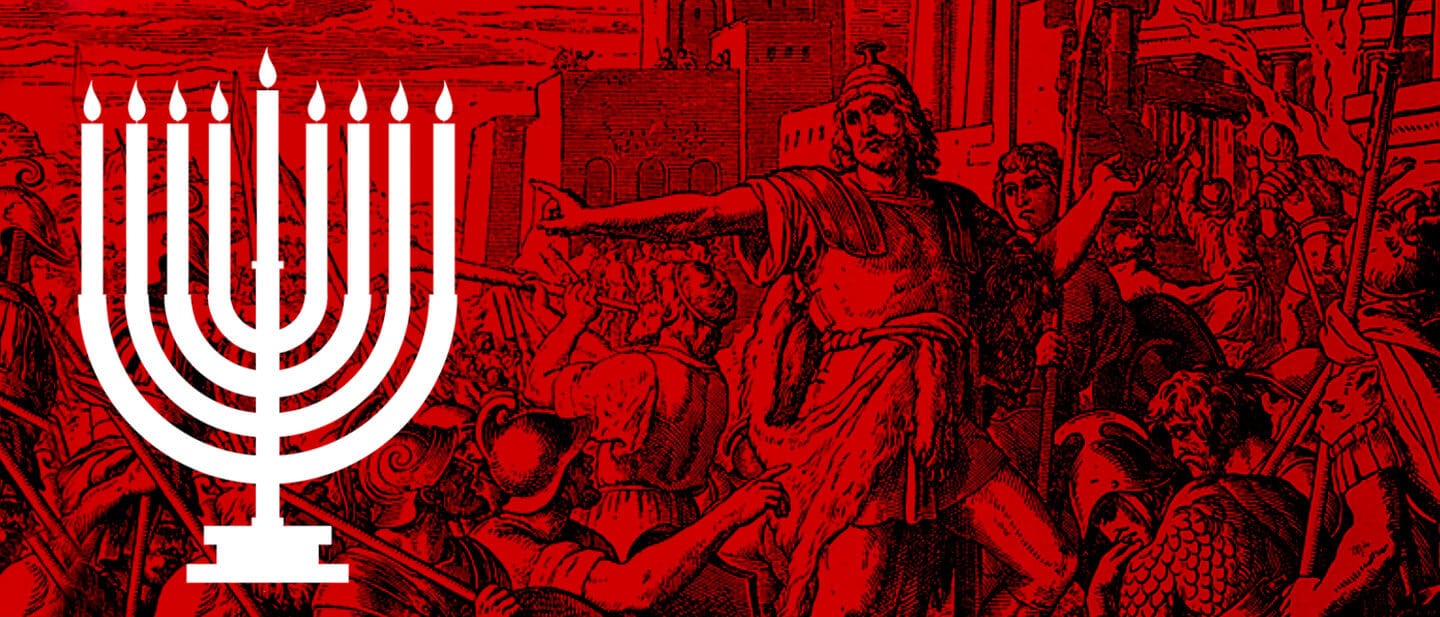
Predictably, there is large scale revolt. The Maccabees, a Jewish warrior family, violently seize the temple back. Once they and their allies purify it to their standards and replace the pagan icons with their own, they finally light the menorah, the sacred lampstand in the temple.
There’s only just enough oil to light the candles for one day. But according to legend, these candles miraculously stayed lit for eight entire days, marking them as a victorious time of “joy and honour”.
This is why on Hanukkah, Jews traditionally eat festive foods fried in oil and light their own lamps. Each day, they eat potato fritters called latkes and jelly doughnuts called soufjanyiot, sing special songs, play dreidel games and recite prayers. People give presents and money, and kids get chocolate coins. It’s an eight-day feast of leisure.
But it wasn’t always like that. Some rabbis have understandably been uncomfortable with Hanukkah’s military undertones. Others have pointed out that celebrating the conflict between Jewish secularism and fundamentalism is a little odd.
But with the advent of Zionism and the state of Israel, Hanukkah has taken on new life. From a minor holiday that emphasised the miracle of the oil, Hanukkah today is seen as a symbol of resistance against injustice and oppression.
It’s now been nearly eight decades since the Holocaust. There is a menorah in Midtown Manhattan dedicated to the victims of the Pittsburgh synagogue mass shooting. There is another in front of Brandenburg Gate where the Nazi flags once hung.
Amid rising concern over anti-Semitism, illiberalism in Israel, and contradictions of ‘Jewish Christmas’, maybe it’s the historical struggle at the heart of Hanukkah that is the most Jewish thing of all.
Ethics in your inbox.
Get the latest inspiration, intelligence, events & more.
By signing up you agree to our privacy policy



BY Aisyah Shah Idil
Aisyah Shah Idil is a writer with a background in experimental poetry. After completing an undergraduate degree in cultural studies, she travelled overseas to study human rights and theology. A former producer at The Ethics Centre, Aisyah is currently a digital content producer with the LMA.

Is it right to edit the genes of an unborn child?
It’s been called dangerous, unethical and a game of human Russian roulette.
International outrage greeted Chinese scientist He Jiankui’s announcement of the birth of twin girls whose DNA he claims to have altered using the gene editing technique CRISPR. He says the edit will protect the twins, named Lulu and Nana, from HIV for life.
“I understand my work will be controversial”, Jiankui said in a video he posted online.
“But I believe families need this technology and I’m ready to take the criticism for them.”
The Center for Genetics and Society has called this “a grave abuse of human rights”, China’s Vice Minister of Science and Technology has issued an investigation into Jiankui’s claims, while a UNESCO panel of scientists, philosophers, lawyers and government ministers have called for a temporary ban on genetic editing of the human genome.
Condemnation of his actions have only swelled after Jiankui said he is “proud” of his achievement and that “another potential pregnancy” of a gene edited embryo is in its early stages.
While not completely verified, the news has been a cold shock to the fields of science and medical ethics internationally.
“People have naive ideas as to the line between science and application”, said Professor Rob Sparrow from the Department of Philosophy at Monash University. “If you believe research and technology can be separated then it’s easy to say, let the scientist research it. But I think both those claims are wrong. The scientific research is the application here.”
The fact that we can do something does not mean we should. Read Matt Beard and Simon Longstaff’s guide to ethical tech, Ethical By Design: Principles of Good Technology here.
The ethical approval process of Jiankui’s work is unusual or at least unclear, with reports he received a green light after the procedure. Even so, Sparrow rejects the idea that countries with stricter ethical oversight have some responsibility to relax their regulations in order to stop controversial research going rogue.
“Spousal homicide is bound to happen. That doesn’t mean we don’t make it legal or regulate it. Nowadays people struggle to believe that anything is inherently wrong.
“Our moral framework has been reduced to considerations of risks and benefits. The idea that things might be inherently wrong is prior to the risk/benefit conversation.”
But Jiankui has said, “If we can help this family protect their children, it’s inhumane for us not to”.
Professor Leslie Cannold, ethicist, writer and medical board director, agrees – to a point.
“The aim of this technology has always been to assist parents who wish to avoid the passing on of a heritable disease or condition.
“However, we need to ensure that this can be done effectively, offered to everyone equally without regard to social status or financial ability to pay, and that it will not have unintended side effects. To ensure the latter we need to proceed slowly, carefully and with strong measurements and controls.
“We need to act as ‘team human’ because the changes that will be made will be heritable and thereby impact on the entire human race.”
If Jiankui’s claims are true, the edited genes of the twin girls will pass to any children they have in the future.
“No one knows what the long term impacts on these children will be”, said Sparrow.
“This is radically experimental. [But] I do think it’s striking how for many years people drew a bright line at germline gene editing but they drew this line when gene editing wasn’t really possible. Now it’s possible and it’s very clear that line is being blurred.”
Ethics in your inbox.
Get the latest inspiration, intelligence, events & more.
By signing up you agree to our privacy policy



BY Aisyah Shah Idil
Aisyah Shah Idil is a writer with a background in experimental poetry. After completing an undergraduate degree in cultural studies, she travelled overseas to study human rights and theology. A former producer at The Ethics Centre, Aisyah is currently a digital content producer with the LMA.

BY ethics

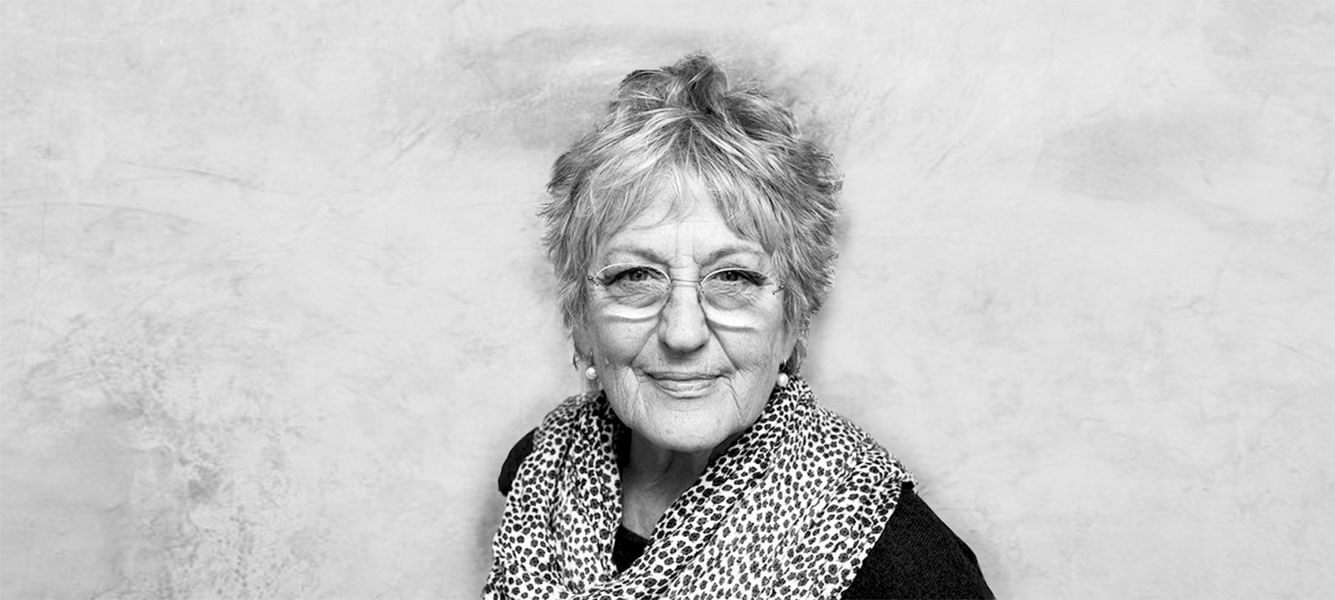
Big Thinker: Germaine Greer
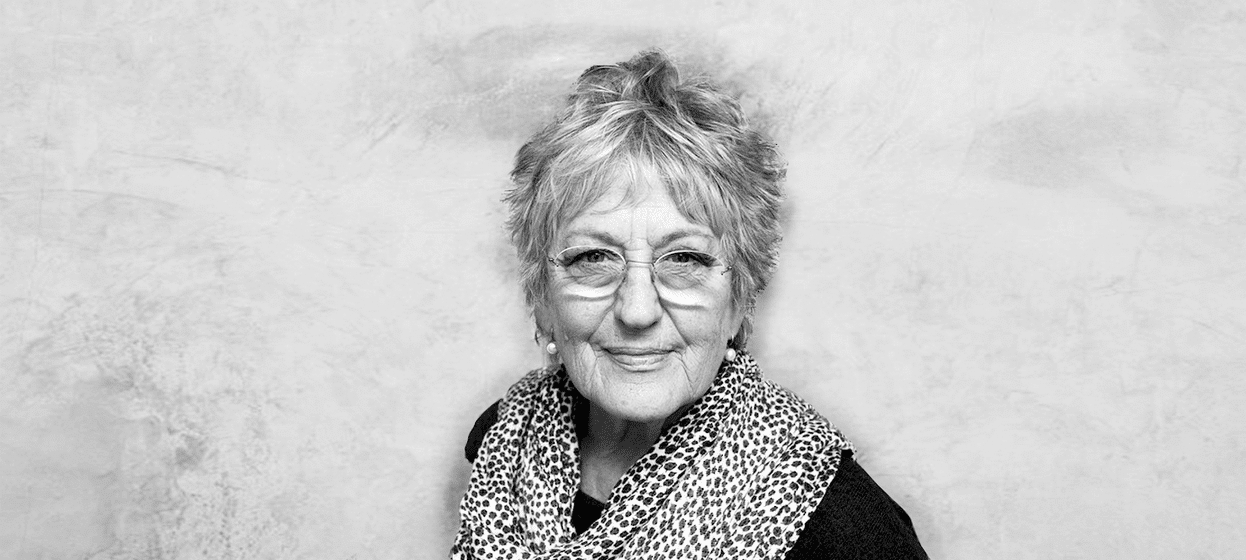
Feminist firebrand or second wave scourge? When The Female Eunuch was published to international success, it was obvious Germaine Greer (1939—present) had hit a nerve – something she continues to do.
This article contains language and content that may be offensive to some readers.
Germaine Greer is an Australian writer and public intellectual who rose to international influence with her book published in 1970, The Female Eunuch. It was a watershed text in second wave feminism, a bestseller around the world, and it made Greer a household name.
Greer’s infamously bold voice and sense of humour permeates throughout the book. Her strong character and take no prisoners approach to public debate saw her regularly contribute to panels and broadcast media. Greer was launched into the public eye as a young, bolshie feminist star.
Since then, Greer has written many books spanning literature, feminism and the environment. She has become one of Australia’s most ‘no-platformed’ thinkers. Almost five decades on, we take a look at her contributions to feminist philosophy.
Human freedom is intrinsically tied to sexual freedom
Greer is a liberation, rather than equality feminist. She believed achieving true freedom for women meant asserting their uniquely female difference and “insisting on it as a condition of self-definition and self-determination”.
Greer wanted to be certain about this female difference, and for her, this certainty started with the body.
You can think of Greer’s claims like this:
- Women are sexually repressed.
- Men are not sexually repressed.
- The difference between men and women is their biological sex.
- Biological sex determines if you’re sexually repressed or not.
The second part of her argument is as follows:
- Women are expected to be ‘feminine’.
- Women are sexually repressed.
- The expectation to be ‘feminine’ is sexually repressive.
Greer is scathing in her portrayal of ‘femininity’. She claimed it kept women docile, repressed, and weak. It stifled women’s sexual agency, hence the ‘eunuch’, which was intrinsically tied to their humanity.
Only by liberating women sexually could they remove this imposed submissiveness and embrace the freedom to live the way they wanted.
“The freedom I pleaded for twenty years ago was freedom to be a person, with dignity, integrity, nobility, passion, pride that constitute personhood. Freedom to run, shout, talk loudly and sit with your knees apart.” – Germaine Greer (1993)
A feminist utopia is an anarchist utopia first
In the London Review of Books 1999, Linda Colley wrote, “Properly and historically understood, Greer is not primarily a feminist. More than anything else, she should be viewed as a utopian.”
For Greer, the greatest danger of the widespread female eunuch is not an unfulfilling sex life. It is in her being so concerned with femininity that she is incapable of political action. Greer believed this social conditioning was dire and its enforcers so embedded that revolution rather than reform was required.
Greer called for this revolution to start in the home. She spoke openly about topics that at the time were taboo: menstruation, hormonal changes, pregnancy, menopause, sexual arousal and orgasm. She decried the agents of femininity that she felt kept women trapped: makeup, constricting clothing, feminine hygiene products, stifling marriages, misogynistic literature and female sexual competitiveness. She reserved her greatest fury for widespread consumerism, which she believed kept women dependent on the systems that forged their own oppression.
Like Mary Wollstonecraft before her, Greer argued neither men nor women benefited from this. She called upon women to rebel again these “dogmatists” and create a world of their own. But the solution she presents is exploratory instead of pragmatic. Perhaps women could live and raise their children together, making their own goods and growing their own food. It would be somewhere pleasant like the rolling landscapes of Italy, with local people to tend house and garden. (It’s unclear whether these local people would be liberated too.)
Intellectual criticisms
Greer’s celebration of non-monogamous sex in The Female Eunuch and her derision of Western society’s obsession with sex in Sex and Destiny led critics to label her ideas slipshod and too inconsistent for a public intellectual.
The root of most criticisms and controversies surrounding Greer, tend to stem from her view of the sexes. Like other second wave feminists, she suggested biological sex determined women’s oppression. This stands in stark contrast to the perspectives of third wave feminists and queer theorists, such as Judith Butler, for whom gender’s learned behaviours play the crucial role.
Greer and her contemporaries are often criticised by third and fourth wave feminists for predicating their philosophies on a male/female binary. A binary that does not account for the broad chromosomal spectrums found among intersex people or the many ways in which individuals feel and express their gender.
Infamous commentary
Greer is not the docile feminine woman she warned of in The Female Eunuch. She has long been celebrated for bucking trends and being refreshingly bold and frank. She is also heavily criticised for being rude, offensive and out of touch. She has been described as having “the self-awareness of a sweet potato”, a “misogynist”, and “a clever fool”.
After she extolled the work of Australia’s first female Prime Minister Julia Gillard on an episode of ABC’s Q&A, she was slammed for criticising Gillard’s body and clothing:
“What I want her to do is get rid of those bloody jackets … They don’t fit. Every time she turns around you’ve got that strange horizontal crease which means they cut too narrow in the hips. You’ve got a big arse Julia…”
Social media lit up with calls for Greer to “shut up” after she linked rape and bad sex in the age of #MeToo:
“Instead of thinking of rape as a spectacularly violent crime – and some rapes are – think about it as non-consensual, that is, bad sex. Sex where there is no communication, no tenderness, no mention of love. We used to talk about lovemaking.”
It is probably Greer’s public statements around transgender women that have attracted the most protest. In an interview after an intense no-platforming campaign to cancel a lecture Greer was scheduled to give at Cardiff University on women and power in the 20th century, she said, “Just because you lop off your penis and then wear a dress doesn’t make you a fucking woman”.
This sentiment probably links with Greer’s ideas on sexed bodies. A sympathetic reading of the comment might see it as one about being born into oppression – a rather second wave feminist sentiment that echoes the racial and queer politics of the same era. An idea that’s sometimes cited as analogous to Greer’s controversial comment is that you cannot understand what it is to be black, unless you were born black and experienced discriminations since the day of your birth. Perhaps she was suggesting we cannot understand the oppression experienced by women and girls unless we are born into a female body. Perhaps not. Either way, the comment was received as incredibly offensive and naive to transgender women’s experiences.
“People are hurtful to me all the time. Try being an old woman. I mean for goodness sake! People get hurt all the time. I’m not about to walk on eggshells.” – Germaine Greer, 2015
Greer and second wave feminists generally are at odds with intersectional feminism which is prominent today. Intersectional feminism holds that many factors beyond sex marginalise people – age, race, nationality, disability, class, faith, sexual orientation, gender identity… Different women will be oppressed to varying degrees.
Whether Greer is a trailblazer or tactless provocateur, it is doubtless her ideas have influenced the political and personal and landscapes of gender relations and feminist thinking.
Ethics in your inbox.
Get the latest inspiration, intelligence, events & more.
By signing up you agree to our privacy policy





BY The Ethics Centre
The Ethics Centre is a not-for-profit organisation developing innovative programs, services and experiences, designed to bring ethics to the centre of professional and personal life.

BY Kym Middleton
Former Head of Editorial & Events at TEC, Kym Middleton is a freelance writer, artistic producer, and multi award winning journalist with a background in long form TV, breaking news and digital documentary. Twitter @kymmidd
BY Aisyah Shah Idil
Aisyah Shah Idil is a writer with a background in experimental poetry. After completing an undergraduate degree in cultural studies, she travelled overseas to study human rights and theology. A former producer at The Ethics Centre, Aisyah is currently a digital content producer with the LMA.
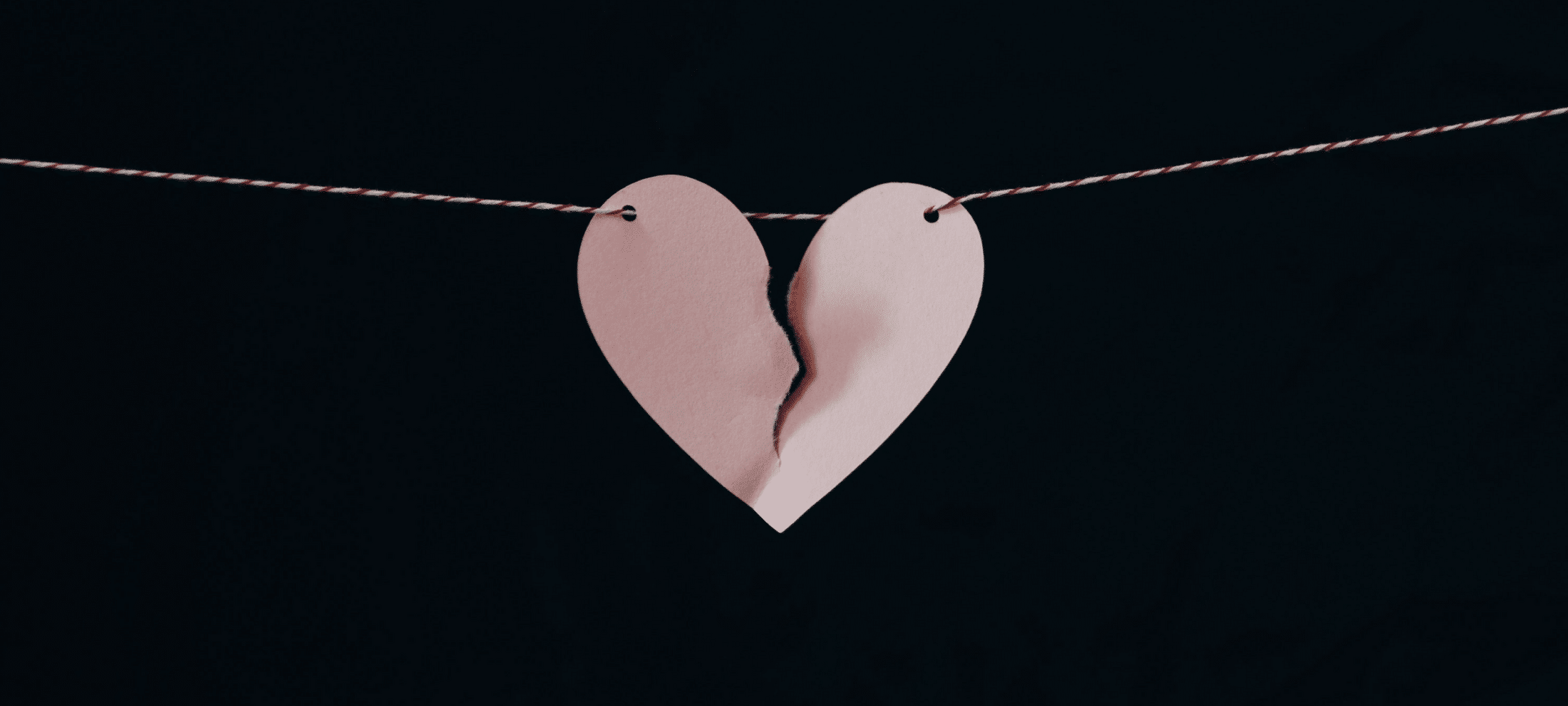
How to break up with a friend
If your friendship is a battlefield, you’ve got to know when to wave the white flag. How do you break up with a friend – ethically?
It might’ve been a slow fade after leaving high school. A messy split over unpaid bills. Maybe it was an awkward part at the airport, or a text silence that lasted a few months longer than usual.
Though not as lamented as ending a romance, ending a friendship can be just as painful. Maybe even more. While some of that is because of the hurt and disappointment of any unfulfilling relationship, another part can be attributed to its ambiguity.
The due process owed to an ex (counselling, teary conversations, logical explanations to well-meaning buddies and family) doesn’t exist for the friendships in our lives. If we want to break up with a friend, how do we do it ethically?
If you’re keen to rip off the friendship band-aid, keep reading. Here are some questions our Ethi-call counsellors would ask to help you act in line with your morals and values.
1. What is the purpose of friendship?
Let’s get back to basics. Asking yourself what a good friendship looks like can help you see if there’s a disconnect between what you’d like it to be and what it really is.
A good friendship could be one where you:
- Love and accept each other
- Are role models for each other’s children
- Feel safe expressing your honest thoughts
- Feel grateful that you share each other’s lives
If any of these questions cause discomfort, maybe your friendship has crossed a line it shouldn’t have. What is your duty to yourself? Is it fair to expect these things?
2. How could you create the least harm and most benefit?
Owning that your needs aren’t being met is important. But equally as important are the needs your friend is owed in a reciprocal relationship.
- What are your obligations to your friend?
- Have you any part to play in this?
- What would a wise person suggest?
Every relationship takes effort. Part of loving someone, warts and all, is acknowledging the effort is worth it. But when that isn’t true, a breakup may not be the only way to deal with it. Consider if your actions are going to cause more benefit than harm – to all the people involved.
- What are the consequences (of a friendship breakup)?
- Is doing nothing an option? If so, what would be your tipping point?
- What will the lasting impact be?
A breakup isn’t the end of anyone’s story. People carry these formative experiences with them and may do so for the rest of their lives.
3. How can you preserve and prioritise dignity?
If you’ve considered all this and still think you need to end the friendship, remember to be kind. Considering why you were friends in the first place means this transition isn’t about kicking anyone when they’re down.
How will you break up? Does your friendship lend itself to a face-to-face conversation or is it better through email? Is one session or message enough or are more required?
Your friend might not agree with what you consider to be good and right, but handling such a delicate situation in a way that is in line with your moral character might be one of your greatest accomplishments.
Some positive outcomes might even eventuate, such as:
- Renewal of your friendship and commitment to each other
- Knowing that you both did your best
- Revelation in self-knowledge and commitment to personal growth
- Speaking well of each other to mutual friends (and meaning it)
- Shared sense of closure and grief
Friendships and relationships don’t exist in vacuums. Whether good or bad, a history of contact with each other comes with its own particular language, traditions and memories. None of us are the centre of the universe, and believing so runs counter to the reality of multiple subjective experiences. Continuing on that path can not only make it harder for you to be a friend, but for you to be fully human.
Even if it wasn’t love, you shared each other’s lives. And that’s always worth respecting.
If you or someone you know is at risk of harm or feeling suicidal, get help immediately. Call Lifeline 13 11 14 or 000 if life is in danger.
Ethics in your inbox.
Get the latest inspiration, intelligence, events & more.
By signing up you agree to our privacy policy



BY Aisyah Shah Idil
Aisyah Shah Idil is a writer with a background in experimental poetry. After completing an undergraduate degree in cultural studies, she travelled overseas to study human rights and theology. A former producer at The Ethics Centre, Aisyah is currently a digital content producer with the LMA.
BY The Ethics Centre
The Ethics Centre is a not-for-profit organisation developing innovative programs, services and experiences, designed to bring ethics to the centre of professional and personal life.

How to pick a good friend
Fed up with fair weather friends? A bit of ethical reflection will help you figure out which friends to pick – and keep.
It takes very little to make a “friend”.
A bit of spark, some solid banter. A vulnerable confession or two. Sharing the same floor, class, or gym helps lower the stakes even more. This happy conversation: “You’re getting a coffee now? Me too!” Spells the chorus cheer of a budding friendship. Any more than that and phew – let’s not force something that’s meant to be easy!
But is that true? Is effort really the death knell? Stick around in any friendship, and you will find the coveted ease ebbing away. Illness, death, divorce, bankruptcy… Mother Time has a funny way of revealing the friends who will stick by you no matter what, and the friends who will leave at first pinch.
In a 2016 survey conducted by Lifeline with over 3100 respondents, 60 percent of Australians confessed to feeling lonely on a regular basis. A large portion of these people live with a spouse or partner. The stats show its quality we need, not quantity.
Shasta Nelson, author of Frientimacy, argues the loneliness many of us feel isn’t because we don’t know enough people. Instead, it’s because we don’t feel known, supported, and loved by the right few.
How do we find this right few? Ethical reflection can help.
Friendship values
When do you feel loved? And how do you show love?
These questions can help reveal our friendship ‘values’. Knowing which of these we prioritise is key to discerning which of our friendships are valuable and worth investing effort in. Do you feel most loved when you’re accepted unconditionally? When you’re having a good laugh? What about when your achievements are celebrated and encouraged? Or when your ideas are challenged in a lively debate? None of these are mutually exclusive but being clear about what you value makes it easier to decide if this friendship is one to prioritise.
You may think the second question redundant but knowing how we express love can help bring out the subconscious values that drive our behaviour. We each have patterns of love or dependency that are formed in childhood. Knowing what they are helps you be more aware of the ones you naturally tend to lean into, and if those are ones you want to cultivate. As much as we like to believe we naturally gravitate to what’s good for us, we might be more likely to gravitate to what’s familiar.
You might show love by being financially generous, hospitable, or a shoulder for someone to cry on. You might value having shared interests and vibrant conversations or being their emergency contact in a crisis. Maybe you show your love and comfort around someone by letting your hair down and complaining a lot. Hey, it happens.
How to create deeper friendships
Choosing the right types of people as friends can help us cultivate relationships based on shared values and character, not circumstance. And when we have them, let’s treat them well. Nelson’s three principles for deepening an already existing friendship are:
- Positivity: helping each other feel good. Think smiles, laughter, empathy, and validation.
- Consistency: a bank of expected behaviour that builds trust; the opposite of walking on eggshells around someone.
- Vulnerability: sharing the bad and the good.
A friend is one with whom we are willing to share, without fear of judgement, our truest self. It’s worth being picky about.
Next month, we’ll be talking about how to end a friendship – ethically. If you can’t wait that long, Ethi-call can help, our free helpline for life’s ethical struggles. Book your appointment here.
Ethics in your inbox.
Get the latest inspiration, intelligence, events & more.
By signing up you agree to our privacy policy




BY Aisyah Shah Idil
Aisyah Shah Idil is a writer with a background in experimental poetry. After completing an undergraduate degree in cultural studies, she travelled overseas to study human rights and theology. A former producer at The Ethics Centre, Aisyah is currently a digital content producer with the LMA.
BY The Ethics Centre
The Ethics Centre is a not-for-profit organisation developing innovative programs, services and experiences, designed to bring ethics to the centre of professional and personal life.
When do we dumb down smart tech?
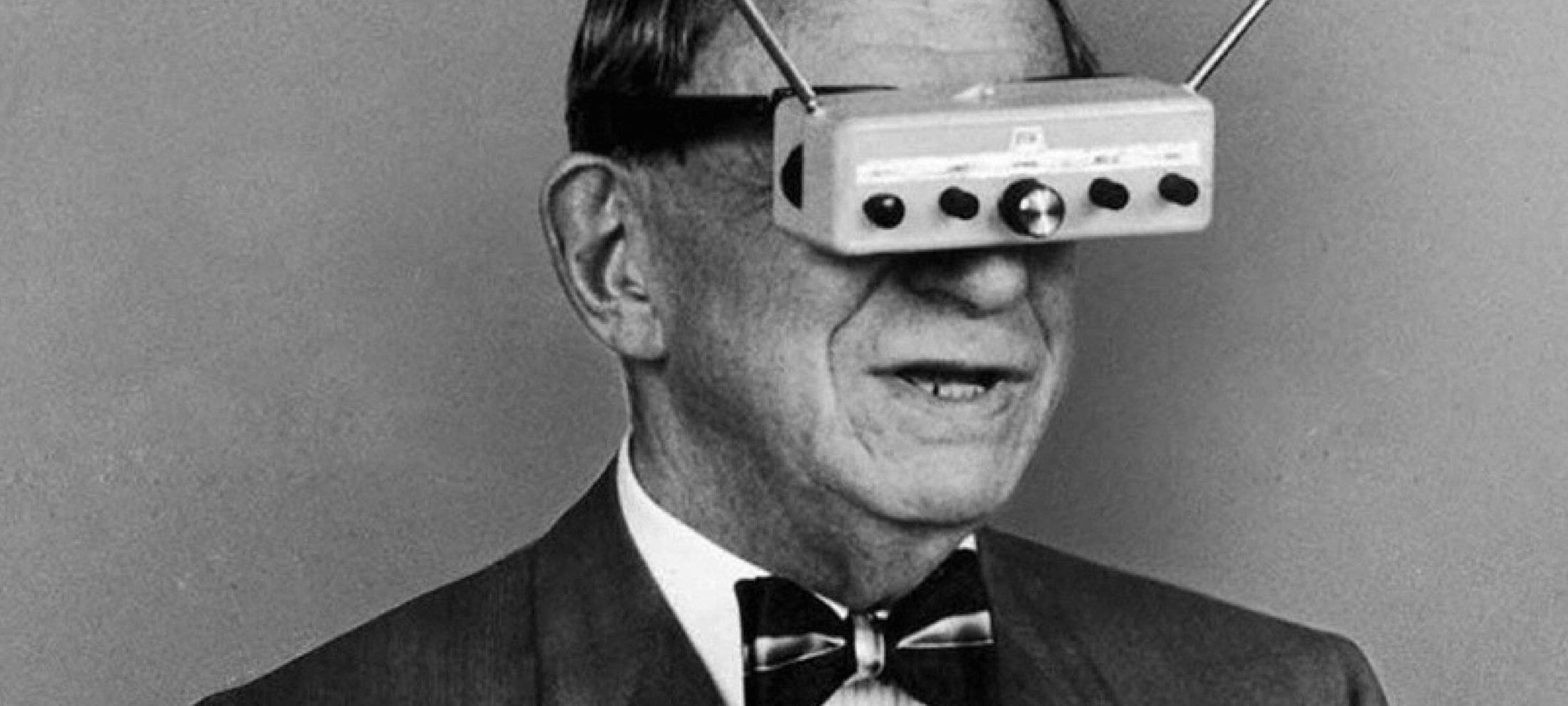
If smart tech isn’t going anywhere, its ethical tensions aren’t either. Aisyah Shah Idil asks if our pleasantly tactile gadgets are taking more than they give.
When we call a device ‘smart’, we mean that it can learn, adapt to human behaviour, make decisions independently, and communicate wirelessly with other devices.
In practice, this can look like a smart lock that lets you know when your front door is left ajar. Or the Roomba, a robot vacuum that you can ask to clean your house before you leave work. The Ring makes it possible for you to pay your restaurant bill with the flick of a finger, while the SmartSleep headband whispers sweet white noise as you drift off to sleep.
Smart tech, with all its bells and whistles, hints at seamless integration into our lives. But the highest peaks have the dizziest falls. If its main good is convenience, what is the currency we offer for it?
The capacity for work to create meaning is well known. Compare a trip to the supermarket to buy bread to the labour of making it in your own kitchen. Let’s say they are materially identical in taste, texture, smell, and nutrient value. Most would agree that baking it at home – measuring every ingredient, kneading dough, waiting for it to rise, finally smelling it bake in your oven – is more meaningful and rewarding. In other words, it includes more opportunities for resonance within the labourer.
Whether the resonance takes the form of nostalgia, pride, meditation, community, physical dexterity, or willpower is minor. The point is, it’s sacrificed for convenience.
This isn’t ‘wrong’. Smart technologies have created new ways of living that are exciting, clumsy, and sometimes troubling in their execution. But when you recognise that these sacrifices exist, you can decide where the line is drawn.
Consider the Apple Watch’s Activity App. It tracks and visualises all the ways people move throughout the day. It shows three circles that progressively change colour the more the wearer moves. The goal is to close the rings each day, and you do it by being active. It’s like a game and the app motivates and rewards you.
Advocates highlight its capacity to ‘nudge’ users towards healthier behaviours. And if that aligns with your goals, you might be very happy for it to do so. But would you be concerned if it affected the premiums your health insurance charged you?
As a tool, smart tech’s utility value ends when it threatens human agency. Its greatest service to humanity should include the capacity to switch off its independence. To ‘dumb’ itself down. In this way, it can reduce itself to its simplest components – a way to tell the time, a switch to turn on a light, a button to turn on the television.
Because the smartest technologies are ones that preserve our agency – not undermine it.
Ethics in your inbox.
Get the latest inspiration, intelligence, events & more.
By signing up you agree to our privacy policy



BY Aisyah Shah Idil
Aisyah Shah Idil is a writer with a background in experimental poetry. After completing an undergraduate degree in cultural studies, she travelled overseas to study human rights and theology. A former producer at The Ethics Centre, Aisyah is currently a digital content producer with the LMA.
BY The Ethics Centre
The Ethics Centre is a not-for-profit organisation developing innovative programs, services and experiences, designed to bring ethics to the centre of professional and personal life.
Big Thinker: Malcolm X
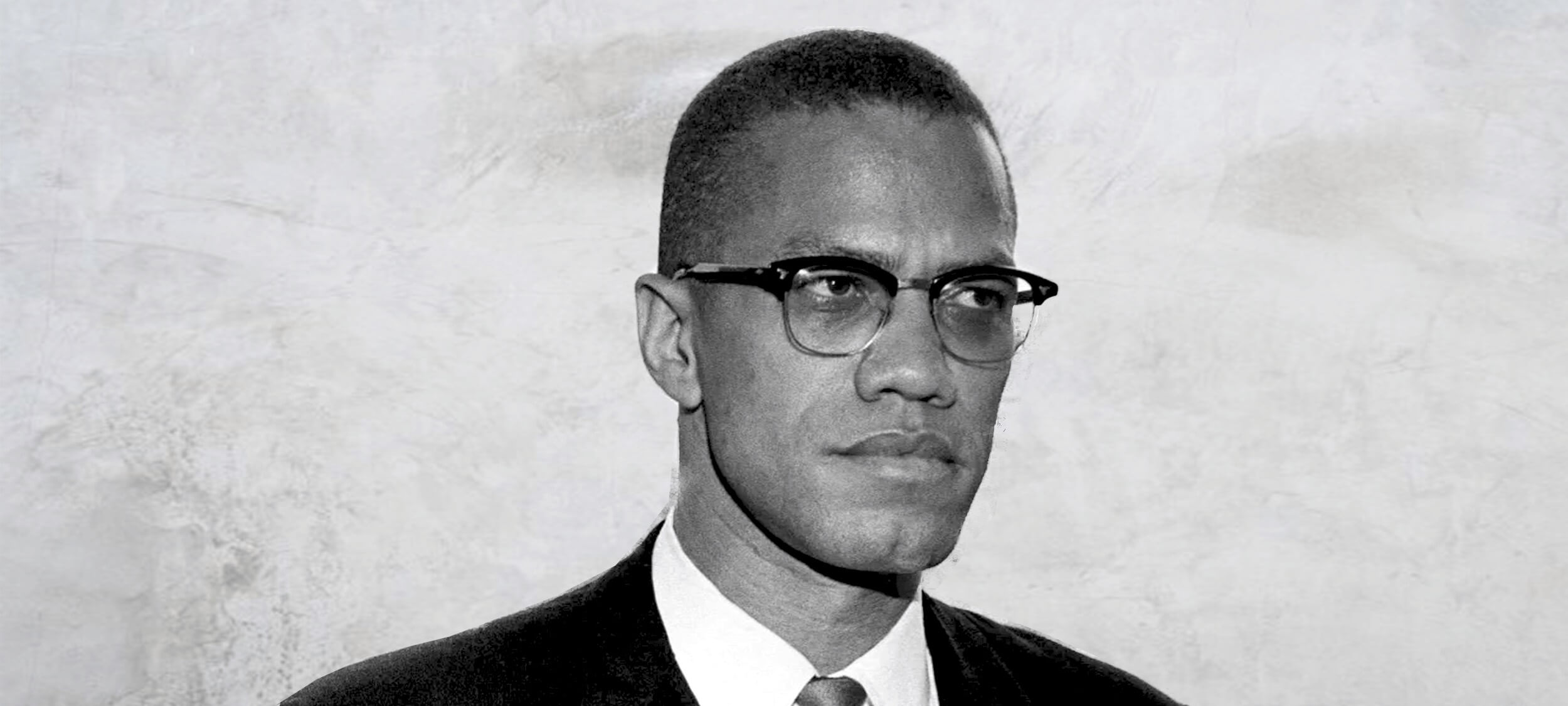
Malcolm X (1925—1965) was a Muslim minister and controversial black civil rights activist.
To his admirers, he was a brave speaker of an unpalatable truth white America needed to hear. To his critics, he was a socially divisive advocate of violence. Neither will deny his impact on racial politics.
From tough childhood to influential adult
Malcolm X’s early years informed the man he became. He began life as Malcolm Little in the meatpacking town of Omaha, Nebraska before moving to Lansing, Michigan. Segregation, extreme poverty, incarceration, and violent racial protests were part of everyday life. Even lynchings, which overwhelmingly targeted black people, were still practiced when Malcolm X was born.
Malcolm X lost both parents young and lived in foster care. School, where he excelled, was cut short when he dropped out. He said a white teacher told him practicing law was “no realistic goal for a n*****”.
In the first of his many reinventions, Malcolm Little became Detroit Red, a ginger-haired New York teen hustling on the streets of Harlem. In his autobiography, Malcolm X tells of running bets and smoking weed.
He has been accused of overemphasising these more innocuous misdemeanours and concealing more nefarious crimes, such as serious drug addiction, pimping, gun running, and stealing from the very community he publicly defended.
At 20, Malcolm X landed in prison with a 10 year sentence for burglary. What might’ve been the short end to a tragic childhood became a place of metamorphosis. Detroit Red was nicknamed Satan in prison, for his bad temper, lack of faith, and preference to be alone.
He shrugged off this title and discarded his family name Little after being introduced to the Nation of Islam and its philosophies. It was, he explained, a name given to him by “the white man”. He was introduced to the prison library and he read voraciously. The influential thinker Malcolm X was born.
Upon his release, he became the spokesperson for the Nation of Islam and grew its membership from 500 to 30,000 in just over a decade. As David Remnick writes in the New Yorker, Malcolm X was “the most electrifying proponent of black nationalism alive”.
Be black and fight back
Malcolm X’s detractors did not view his idea of black power as racial equality. They saw it as pro-violent, anti-white racism in pursuit of black supremacy. But after his own life experiences and centuries of slavery and atrocities against African and Native Americans, many supported his radical voice as a necessary part of public debate. And debate he did.
Malcolm X strongly disagreed with the non-violent, integrationist approach of fellow civil rights leader, Martin Luther King Jr. The differing philosophies of the two were widely covered in US media. Malcolm X believed neither of King’s strategies could give black people real equality because integration kept whiteness as a standard to aspire to and non-violence denied people the right of self defence. It was this take that earned him the reputation of being an advocate of violence.
“… our motto is ‘by any means necessary’.”
Malcolm X stood for black social and economic independence that you might label segregation. This looked like thriving black neighbourhoods, businesses, schools, hospitals, rehabilitation programs, rifle clubs, and literature. He proposed owning one’s blackness was the first step to real social recovery.
Unlike his peers in the civil rights movement who championed spiritual or moral solutions to racism, Malcolm X argued that wouldn’t cut it. He felt legalised and codified racial discrimination was a tangible problem, requiring structural treatment.
Malcolm X held that the issues currently facing him, his family, and his community could only be understood by studying history. He traced threads between a racist white police officer to the prison industrial complex, to lynching, slavery, and then to European colonisation.
Despite his great respect for books, Malcolm X did not accept them as “truth”. This was important because the lives of black Americans were often hugely different from what was written about – not by – them.
Every Sunday, he walked around his neighbourhood to listen to how his community was going. By coupling those conversations with his study, Malcolm X could refine and draw causes for grievances black people had long accepted – or learned to ignore.
We are human after all
Dissatisfied with their leader, Malcolm X split from the Nation of Islam (who would go on to assassinate him). This marked another transformation. He became the first reported black American to make the pilgrimage to Mecca. In his final renaming, he returned to the US as El-Hajj Malik El-Shabazz.
On his pilgrimage, he had spoken with Middle Eastern and African leaders, and according to his ‘Letter from Mecca’ (also referred to as the ‘Letter from Hajj’), began to reappraise “the white man”.
Malcolm X met white men who “were more genuinely brotherly than anyone else had ever been”. He began to understand “whiteness” to be less about colour, and more about attitudes of oppressive supremacy. He began to see colonialist parallels between his home country and those he visited in the Middle East and Africa.
Malcolm X believed there was no difference between the black man’s struggle for dignity in America and the struggle for independence from Britain in Ghana. Towards the end of his life, he spoke of the struggle for black civil rights as a struggle for human rights.
This move from civil to human rights was more than semantics. It made the issue international. Malcolm X sought to transcend the US government and directly appeal to the United Nations and Universal Declaration of Human Rights instead.
In a way, Malcolm X was promoting a form of globalisation, where the individual, rather than the nation, was on centre stage. Oppressed people took back their agency to define what equality meant, instead of governments and courts. And in doing so, he linked social revolution to human rights.
Ethics in your inbox.
Get the latest inspiration, intelligence, events & more.
By signing up you agree to our privacy policy




BY The Ethics Centre
The Ethics Centre is a not-for-profit organisation developing innovative programs, services and experiences, designed to bring ethics to the centre of professional and personal life.
BY Kym Middleton
Former Head of Editorial & Events at TEC, Kym Middleton is a freelance writer, artistic producer, and multi award winning journalist with a background in long form TV, breaking news and digital documentary. Twitter @kymmidd