



The Ethics of Giving

BEING HUMAN Conversation
16 OCTOBER 2019
6:30 – 8pm
THE ETHICS CENTRE
Level 1, Legion House,
161 Castlereagh St, Sydney NSW 2000
TICKETS
$ you decide
Is it our duty to give? If so, why and most importantly – to who?
In this special The Ethics of Giving, we will immerse you in the thick of the ethical tensions around charity, philanthropy and compassion.
October 16th is Global Ethics Day – an initiative led by our friends the Carnegie Council for International Affairs. As part of the theme of global ethics day, we will explore the ethical questions in play when it comes to charity.
Are our first obligations to family and community? Or do we need to think more globally? What does it mean to be a good neighbour and global citizen? Can those obligations contradict each other?
Join us for this interactive, immersive and high-stakes thought experiment hosted by Dr Matt Beard as we explore these questions and challenges of charity and community decision making.
We’re putting money on the table and a range of possible charities to donate it to. You, the audience, will be responsible for deciding which cause they think is most worthy. Participants will have the opportunity to discuss and debate who we are giving our support to.
Where does the money come from? In place of a fixed ticket price we invite you to donate any amount for your ticket, whether its $1 or $100 – it’s entirely your decision.
The catch? On arrival you will be given a badge displaying your donated amount. Will this impact your say when it comes to the discussion? How will you feel when you see your fellow participants donation amount?
But what happens if you the audience can’t reach a unanimous decision on which charity to give to in the time allotted? The donation will be put towards The Ethics Centre’s staff Christmas Party.
We did say it was high stakes, remember?
Scrub up on the ethics of giving, ask whether it’s better to think global or act local, and put your skills of persuasion to the test as you try to convince your fellow guests that your preferred charity deserves the cheque.
About ‘The Ethics Of…’ Series
‘The Ethics Of…’ is an intimate event series that delves into the minds of various experts to examine the experiences, hopes and challenges that make us truly human.
Thanks to our wine sponsor

Speakers
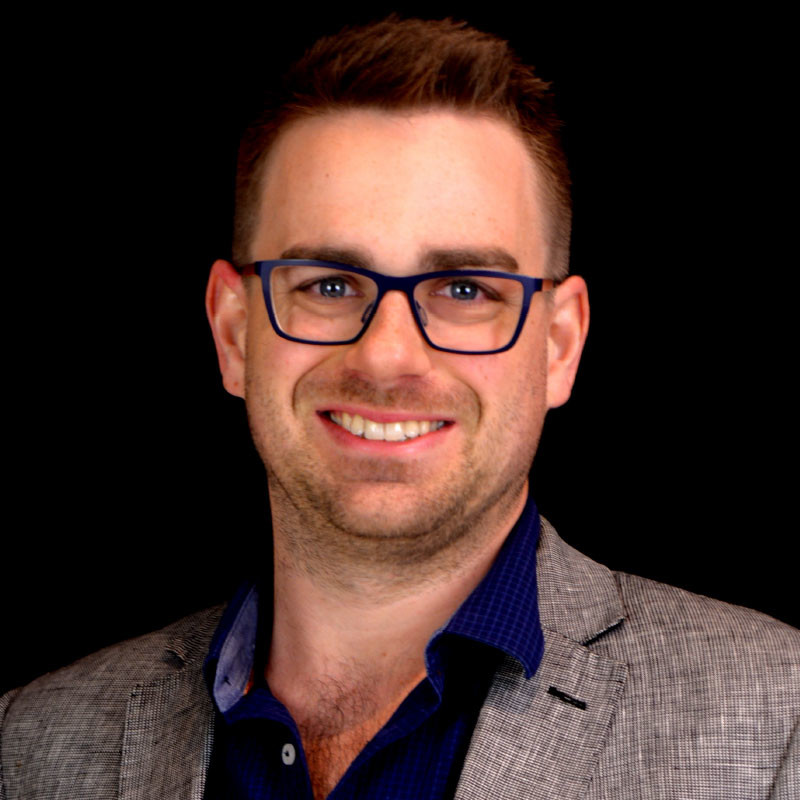
Dr Matt Beard
Your host, Dr Matt Beard is a husband, dad, pop culture nerd, moral philosopher and ethicist. Matt is a Fellow at the Ethics Centre and the resident philosopher for the kids ethics podcast Short & Curly. In 2016, Matt won the Australasian Association of Philosophy prize for media engagement. He contributes regularly to ABC Life, The New Philosopher and The Guardian.

Who is it for?
- THE CHAMPION
- THE CHANGEMAKER
- THE IDEALIST

What you'll take away
- 01A MAP TO NAVIGATE THROUGH YOUR OWN SELF
- 02A SPACE TO CHALLENGE YOUR THINKING
- 03NEW IDEAS ABOUT INEQUALITY

Things to think about





The Ethics of Courage
BEING HUMAN Conversation
21 AUGUST 2019
6:30 – 8pm
THE ETHICS CENTRE
Level 1, Legion House,
161 Castlereagh St, Sydney NSW 2000
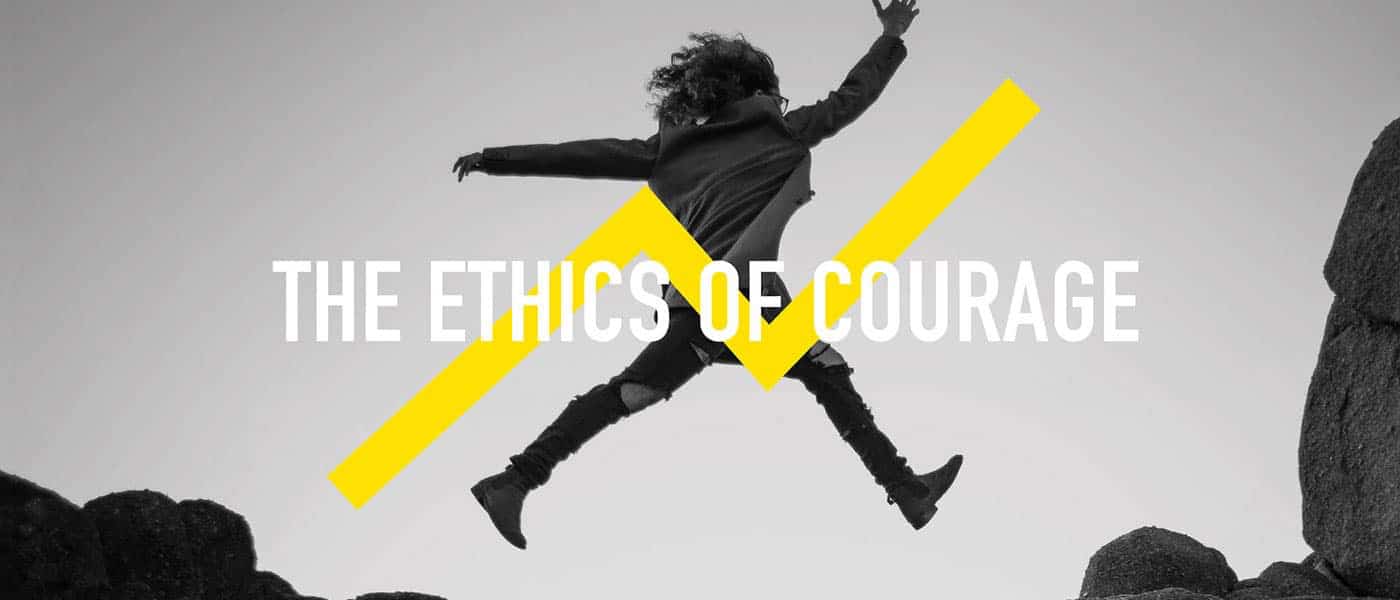
Courage is a decision.
Courage, foolish overconfidence or cowardice?
Summoning courage to back ourselves isn’t easy. To quit the steady job and do the work your soul yearns for. To stand by your ideas in the face of public critique. To end an unsatisfying friendship.
Everyday life often requires us to act despite our fear. It could be asking someone out, requesting a raise or starting a difficult conversation.
You don’t have to be a soldier on the frontlines to grapple with courage. Nor do you have to be a writer channelling your experiences and deepest thoughts onto a page for all to judge. (Although both surely do have courage.)
Aristotle positioned courage as a “golden mean”, a virtue in the middle of two vices for us to strive toward. At one extreme you have excess, and at the other, deficiency. Too much thoughtless courage is brazen, too little is weak timidity.
Courage comes when you pay attention to your fears, consider the risks and possible outcomes to all involved, and make a decision to move forward after this ethical reflection. How do you get it right when it so easily can all go wrong?
About ‘The Ethics Of…’ Series
‘The Ethics Of…’ is an intimate event series that delves into the minds of various experts to examine the experiences, hopes and challenges that make us truly human.
Thanks to our wine sponsor
Speakers
Dr Matt Beard
Your host, Dr Matt Beard is a husband, dad, pop culture nerd, moral philosopher and ethicist. Matt is a Fellow at the Ethics Centre and the resident philosopher for the kids ethics podcast Short & Curly. In 2016, Matt won the Australasian Association of Philosophy prize for media engagement. He contributes regularly to ABC Life, The New Philosopher and The Guardian.

Benjamin Law
Benjamin Law is a journalist, Good Weekend columnist, TV screenwriter and author of The Family Law (2010), Gaysia: Adventures in the Queer East (2012) and Quarterly Essay 67: Moral Panic 101 (2017). The Family Law is now an award-winning TV series for SBS which he created and co-writes.
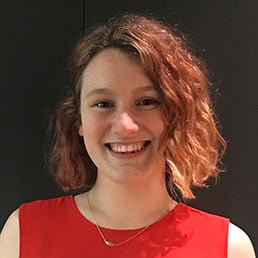
Saxon Mullins
Saxon Mullins is a survivor and anti-violence advocate. Her story, “I am that girl”, shown on ABC’s Four Corners, was instrumental in the review of sexual consent laws in NSW, and advocacy for law reform in other jurisdictions. Saxon topped the Australian Financial Review Magazine’s 2018 Cultural Power List for her important role in bringing about cultural change and was the recipient of the 2018 Young Persons’ Human Rights Medal.
Who is it for?
- THE CHAMPION
- THE CHANGEMAKER
- THE IDEALIST
What you'll take away
- 01A BETTER UNDERSTANDING OF WHERE YOUR BOUNDARIES LIE
- 02A MAP TO NAVIGATE THROUGH YOUR OWN SELF
- 03A SPACE TO SHARE YOUR CHALLENGES
Things to think about

IQ2 Debate: Masculinity - Is it really so fragile?

IQ2 Debate
23 OCTOBER 2019
6:30 – 8pm
SYDNEY TOWN HALL
483 George St
Sydney NSW 2000
TICKETS
$16.88 – $51.70
IQ2 Debate: Masculinity - is it really so fragile?
Grow some balls. Toughen up. Be a man.
“Even if the alt-right doesn’t survive in its current form, a generation of young white men now harbour the dangerous belief that they have no future – a belief that will be that much more dangerous if it proves to be true.” – Angela Nagle
It seems guys are prodded from boyhood to meet certain gendered standards of brash confidence and stoicism. Yet they are also encouraged to protect, respect, provide, and be good guys.
We hear ‘masculinity is in crisis’. Perhaps that well known phrase is recognition the messages around masculinity can be contradictory and confusing. Maybe it’s acknowledgement of male suffering.
But which boys and men are suffering and why? Could it be society is permitting misandry? Are the jokes about privileged men fair or overlooking very real challenges?
About Intelligence Squared:
IQ2 is the Australian arm of the international debate series, Intelligence Squared, which is also held in London, New York and Hong Kong. Speakers have eight uninterrupted minutes to share their ideas – a luxury in today’s fast paced media environment of 15 second grabs and political party spin lines. Help us shape our world with ethics and intelligence.
Speakers

David Leser
is a Walkley-award winning journalist who has worked in Australia and internationally for the past 40 years. He has worked as a feature writer for the Australian, the Bulletin, the Sydney Morning Herald, Good Weekend and the Australian Women’s Weekly, and as a Washington, Jerusalem and Paris-based correspondent. David is the author of 8 books, including his latest, Women, Men and the Whole Damn Thing, about gender relations in the age of #MeToo.

Zac Seidler
is a psychologist, researcher and mens health advocate. He is currently a Psychologist and Research Fellow at Orygen, The National Centre of Excellence in Youth Mental Health and the Director of Health Professional Training at the Movember Foundation. Zac’s focus is on treating, researching and advocating for better mental health outcomes for all men to stop men dying by suicide.

Catharine Lumby
is a Professor of Media Studies at Macquarie University and the author and co-author of seven books. Before she went into academia she was a print and television journalist working for the SMH, the ABC and the Bulletin. She is passionate about preventing violence against women and has worked for over a decade with the National Rugby League to improve their culture and off field behaviour.

Raewyn Connell
is one of Australia’s leading social scientists, specialising in class, gender, education, global patterns in knowledge, and most prominently, masculinity. She is an author of 25 books including Masculinities (1995, 2005) and most recently The Good University, plus more than 200 academic articles. Active in the labour, peace, and gender equality movements, she formerly advised the UN gender equality and peace initiatives.
Guest host

Dr Norman Swan is an award-winning journalist and medical specialist, and host ofThe Health Report on the ABC’s Radio National, which is the world’s longest running health programme in the English-speaking world. His career spans radio and TV in Australia and the UK with broadcast reach across 27 countries, as well as academia, and consultation to the World Health Organisation.
With thanks to our media partner

Who is it for?
- THE ADVOCATE
- THE COUCH COACH
- THE IDEALIST
- THE PROVOCATOR
What you'll take away
- 01CHALLENGING AND THOUGHT-PROVOKING IDEAS
- 02CONNECTIONS WITH YOUR PEERS
- 03KEY FACTS AND TALKING POINTS OF THE MAJOR ISSUES
- 04NEW PERSPECTIVES FROM BOTH SIDES OF THE DEBATE


IQ2 Debate: Curb Immigration

IQ2 Debate
26 MARCH 2019
6:30 – 8pm
SYDNEY TOWN HALL
483 George St
Sydney NSW 2000
Can the current rate of immigration be sustained?
When Germany opened its borders to refugees during the Syrian war, Angela Merkel was saluted by progressives for her humane policy. “We can do this,” she declared. But her decision had unintended effects. The European migrant crisis ensued.
Thousands drowned crossing the Mediterranean, including three year old Alan Kurdi whose body was found washed ashore. Poor countries with populations as small as two million were overwhelmed – not for lack of sympathy but rather inadequate resources to handle the sheer weight of numbers moving through in search of a safer, better life in northern Europe.
In response, dark forces were mobilised, their aim being to convert compassion into distrust for their own political ends. Nationalist leaders were voted in across Europe. Britain continues to struggle with Brexit.
While those forces have had significant successes in Europe, the same is not so here. Australians overwhelmingly support immigration and reject monolithic values. 82 percent of us agree “immigrants improve Australian society by bringing new ideas and cultures”. Another 80 percent feel immigrants are good for the economy. Big business and economists argue economic growth will stall to everyone’s detriment if immigration levels are cut.
But just as many Australians who support immigration are concerned about its practical effects at a time of growing uncertainty. People worry about the impact of unfettered population growth on our cities, housing prices, public transport, hospitals and schools.
Regional Australia is feeling the pressure too. We need only look to the mass fish deaths in Darling River to see growing numbers are taking a toll on the fragile natural environment of our island home. As an Australian National University study says, “As the world’s driest inhabited continent with unique flora and fauna, Australia’s environment may not be able to cope with rapid population growth”.
The result is that Australians are ‘pro-immigrant’ yet ‘anti-immigration’.
This leads us to ask, should immigration be boosted, maintained or curbed?
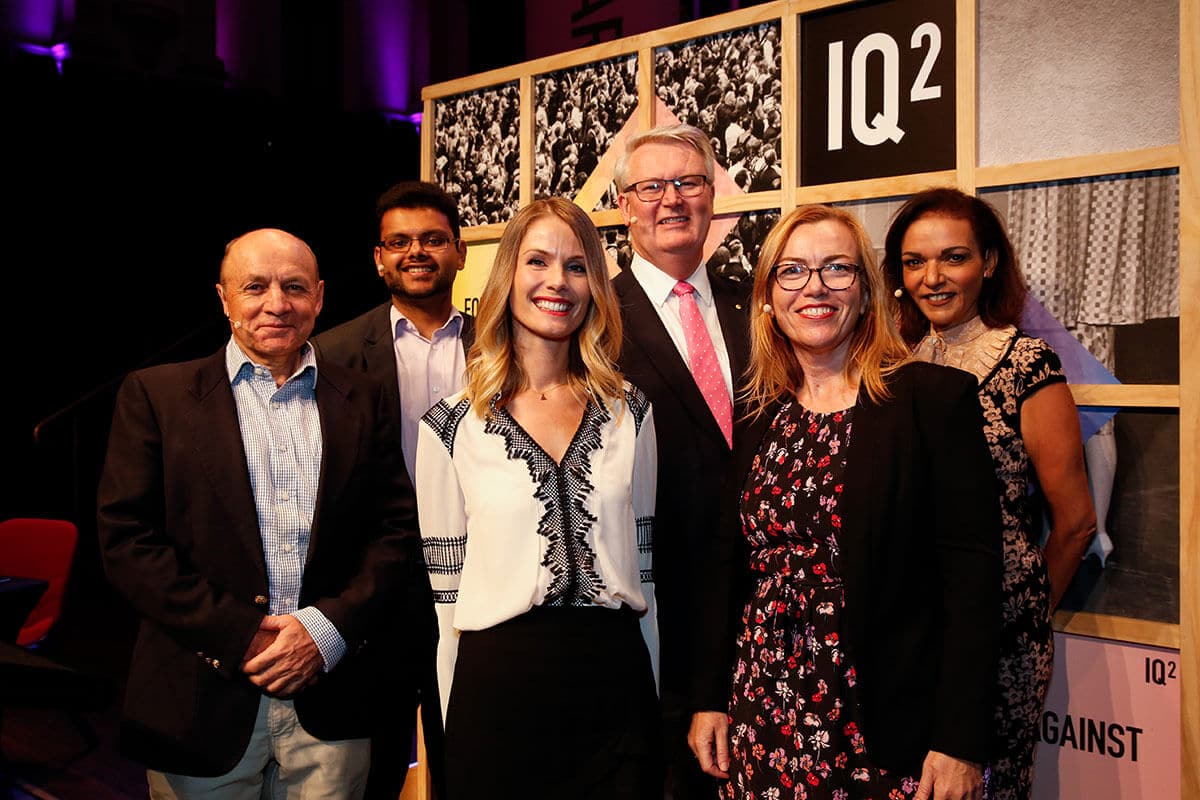
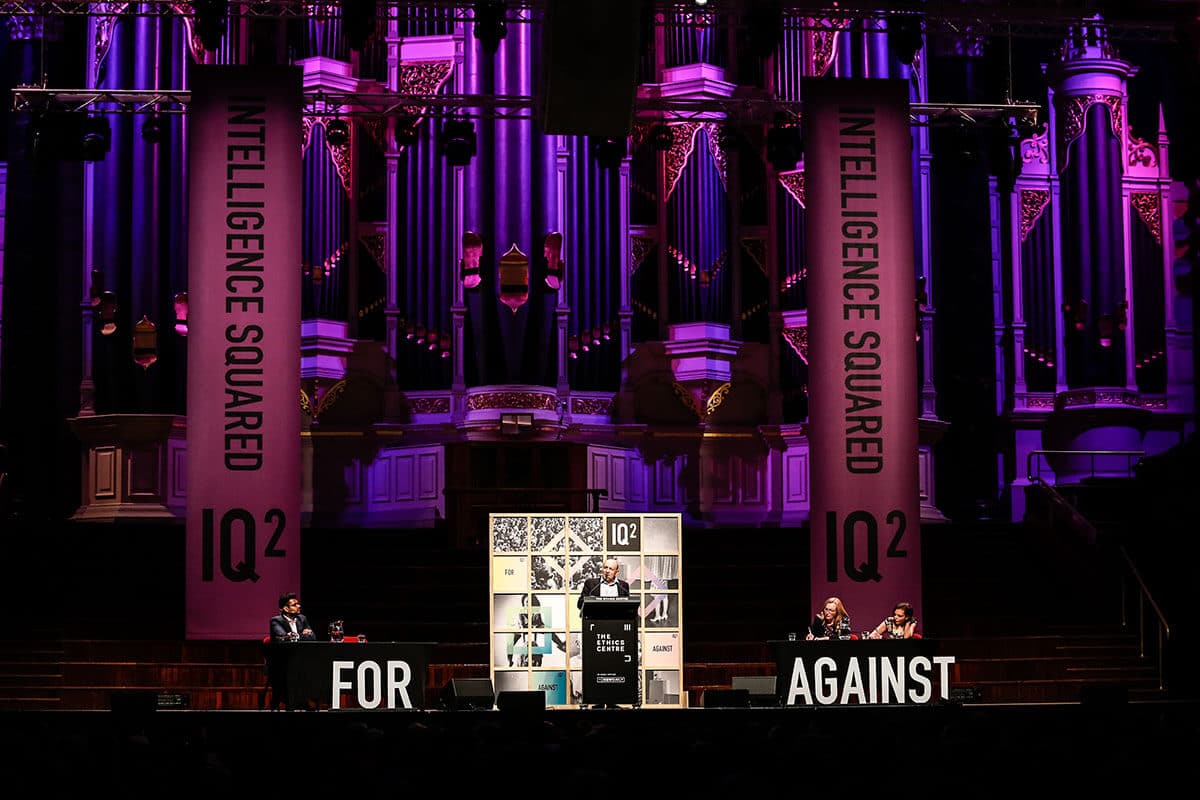
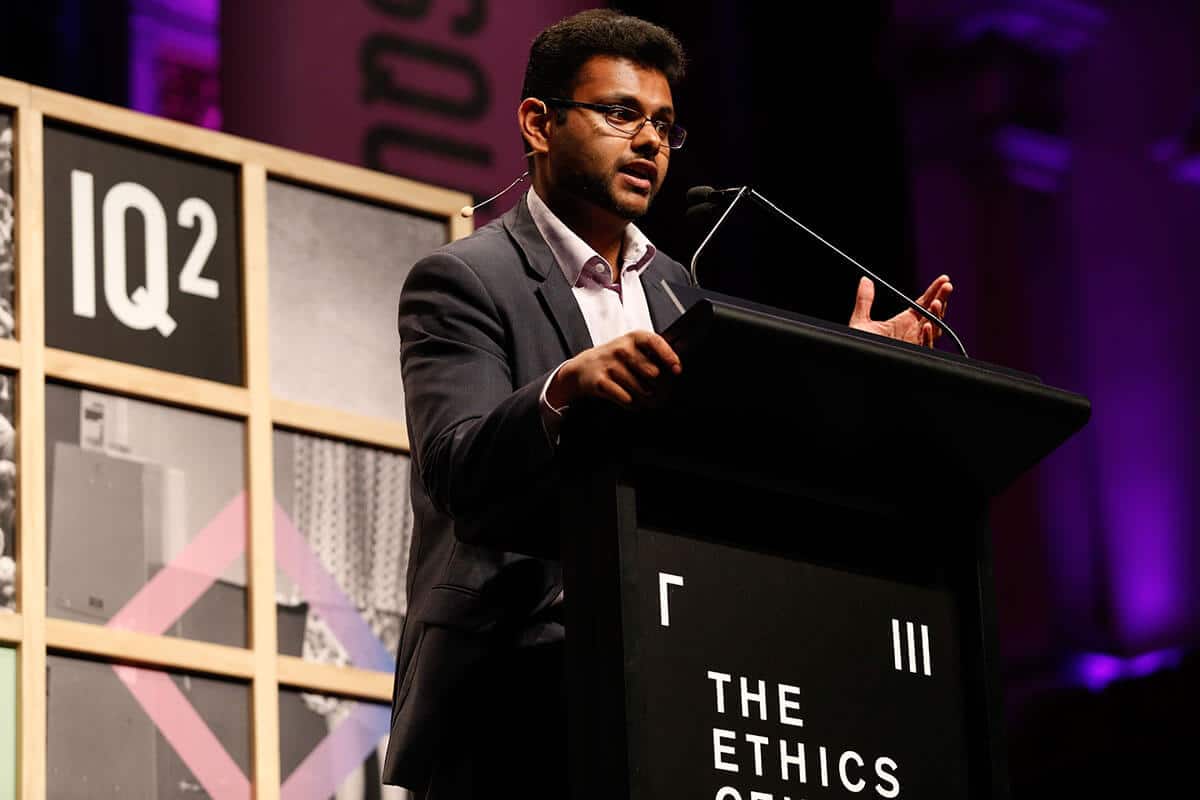
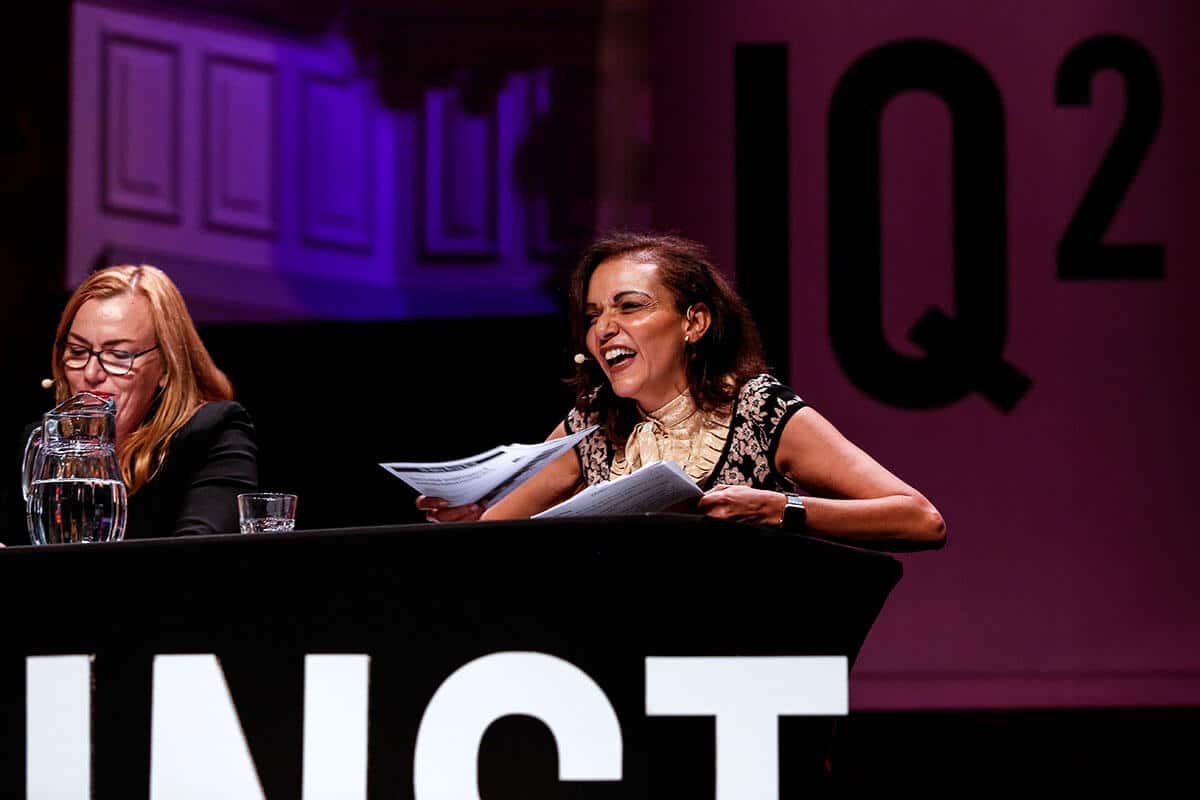
On Tuesday 26 March we took the debate out of the mainstream media and onto the IQ2 stage at Sydney Town Hall with four experts invited to take on the motion “Should Australia curb immigration?” in front of a live, active audience.
With powerful arguments presented at both ends of the spectrum, it was a debate that raised issues from urban planning to government policy, environmental impacts to economic advantages and more.
With thanks to our IQ2 media partner

Photo gallery
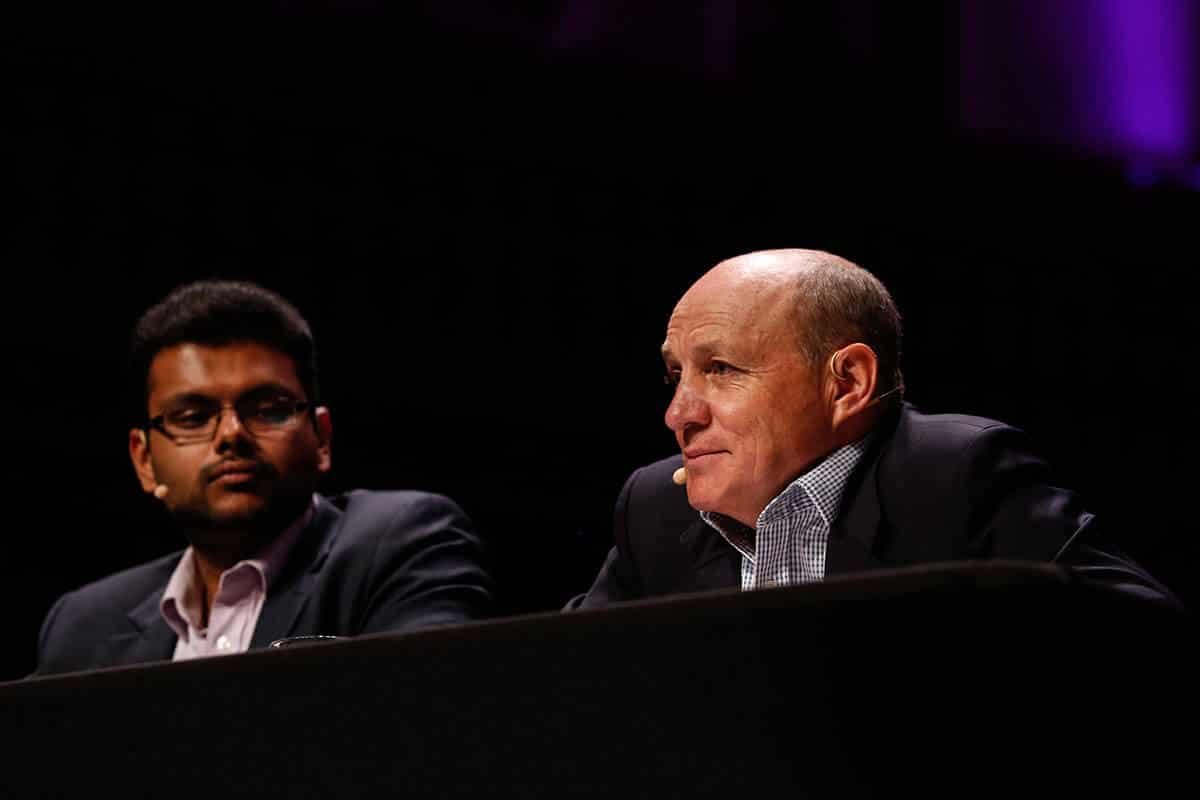
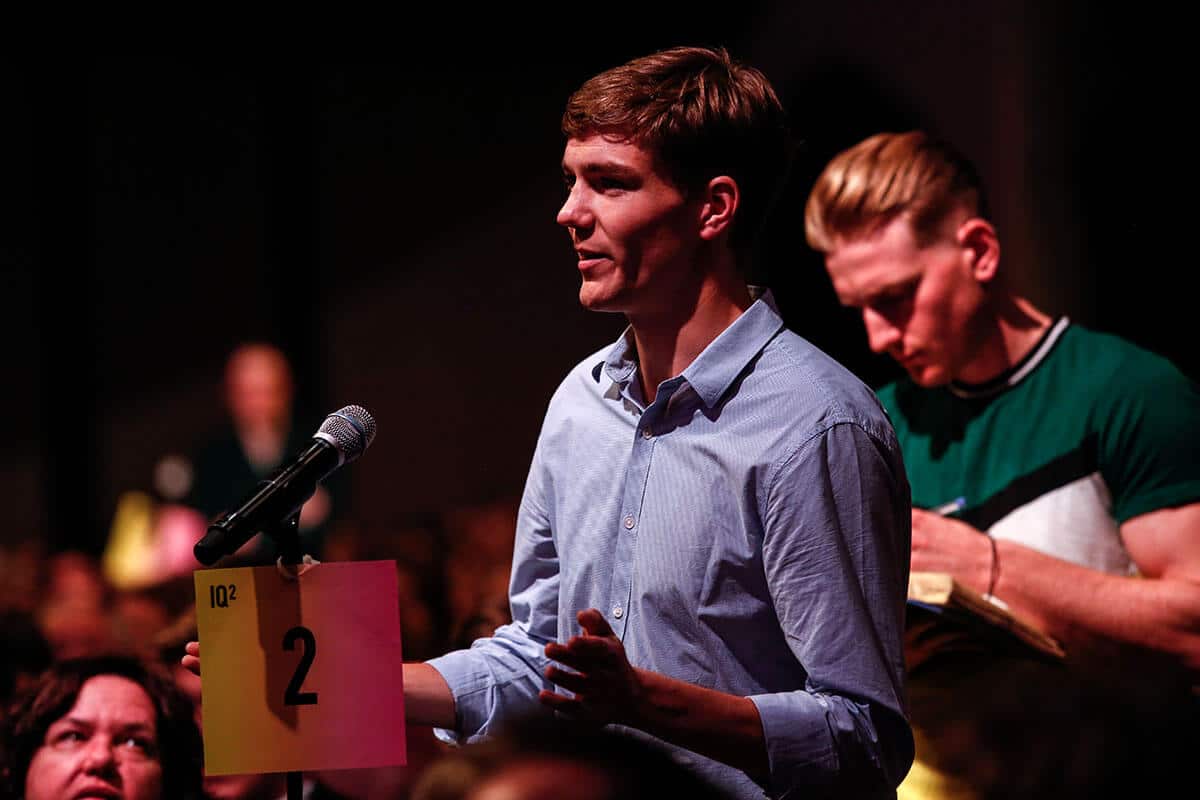
Did you come along to the debate? Check out our gallery for all the action on the night. Spot yourself, or a friend in the crowd.


Speakers

Jonathan Sobels
Dr Jonathan Sobels is an environmental scientist. He was commissioned by the Department of Immigration and Citizenship to research the impacts of population growth on Australia’s natural environment. Jonathan concluded core resources like water cannot sustain high immigration so too much growth is irresponsible. You can follow him on LinkedIn here.
ARGUING FOR

Satyajeet Marar
Satyajeet Marar is a writer who contributes to publications like the Daily Telegraph, Herald Sun, Quillette, and The Spectator. The Indian-born immigrant is the director of policy at the Australian Taxpayers’ Alliance. Satyajeet supports multiculturalism and argues harmony is maintained when there are limits to immigration. You can follow him on Twitter via @MisterJEET
ARGUING FOR

Anne Aly
Dr Anne Aly was a Professor at Edith Cowan University. Anne is an internationally renowned expert in counter-terrorism and de-radicalisation. She is now serving as the Member for Cowan for the Australian Labor Party in Western Australia. You can follow her on Instagram via @Anne.Aly
ARGUING AGAINST

Nicole Gurran
Prof Nicole Gurran is an urban planner and housing policy expert based at the University of Sydney’s School of Architecture, Design and Planning. She presented her solutions to population growth and Australia’s housing crisis at TEDxSydney. Nicole says smarter spatial planning can accommodate high immigration levels. You can follow her on Twitter via @Planosopher
ARGUING AGAINST
Who is it for?
- THE ACTIVIST
- THE IDEALIST
- THE PRAGMATIST
- THE SKEPTIC
What you'll take away
- 01A BETTER UNDERSTANDING OF WHERE YOUR BOUNDARIES LIE
- 02CHALLENGING AND THOUGHT-PROVOKING IDEAS
- 03KEY FACTS AND TALKING POINTS OF THE MAJOR ISSUES
- 04NEW PERSPECTIVES FROM BOTH SIDES OF THE DEBATE


Hard Things to Talk About - Dinner Series

STREAM
BEING HUMAN Conversation
DATE & TIME
SUNDAY 30 AUGUST AND MONDAY 31 AUGUST 2015
LOCATION
CAFE PACI, DARLINGHURST
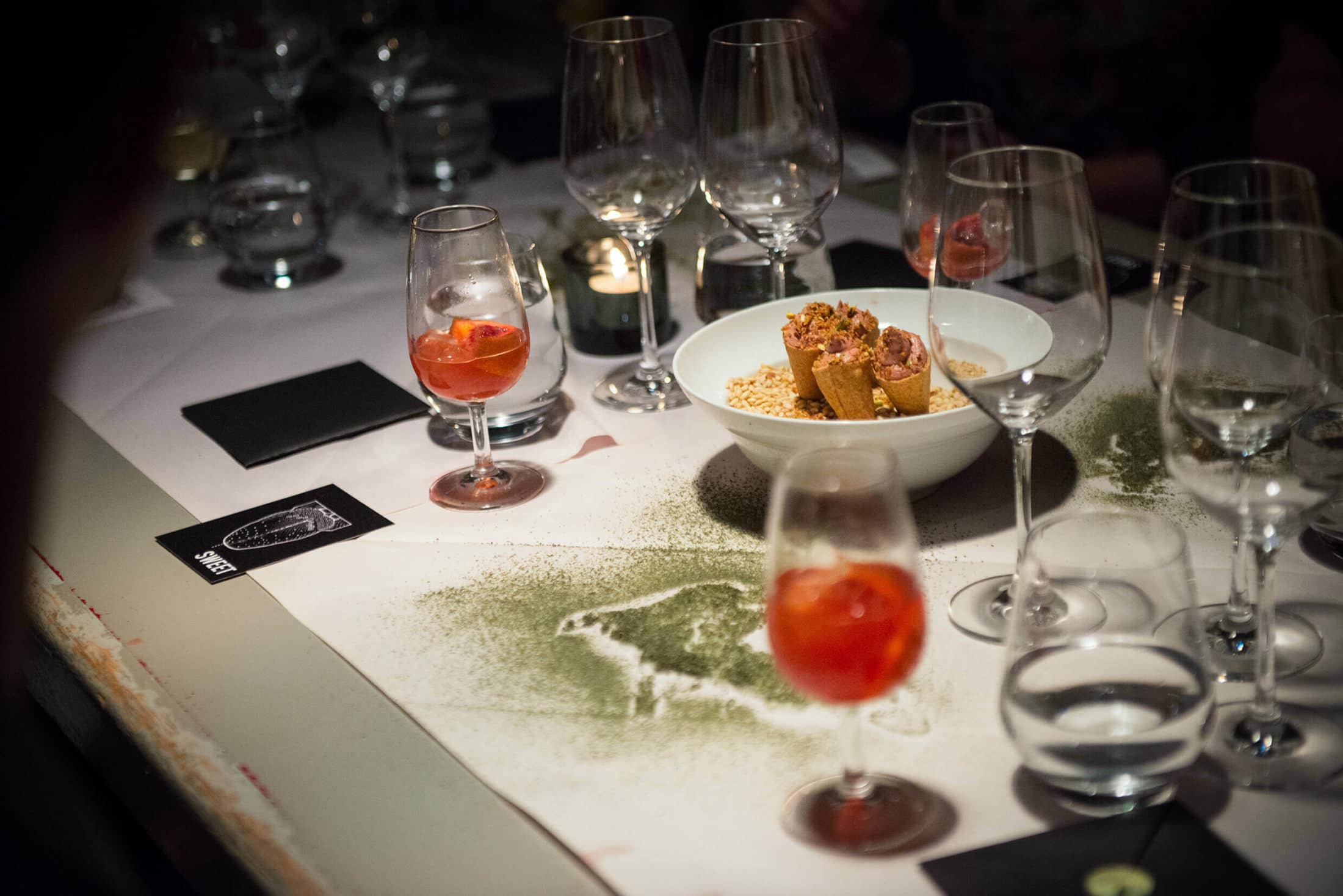
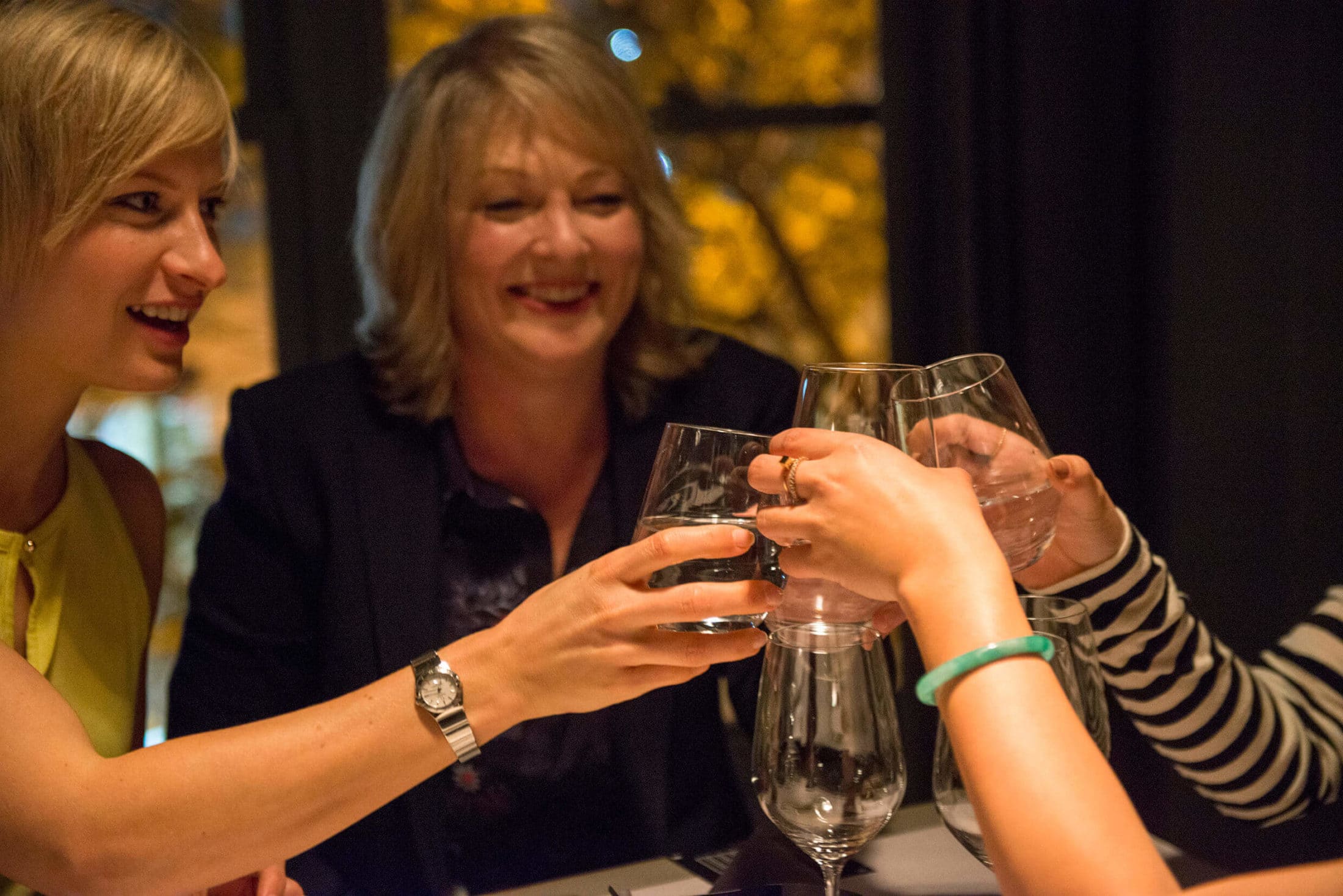
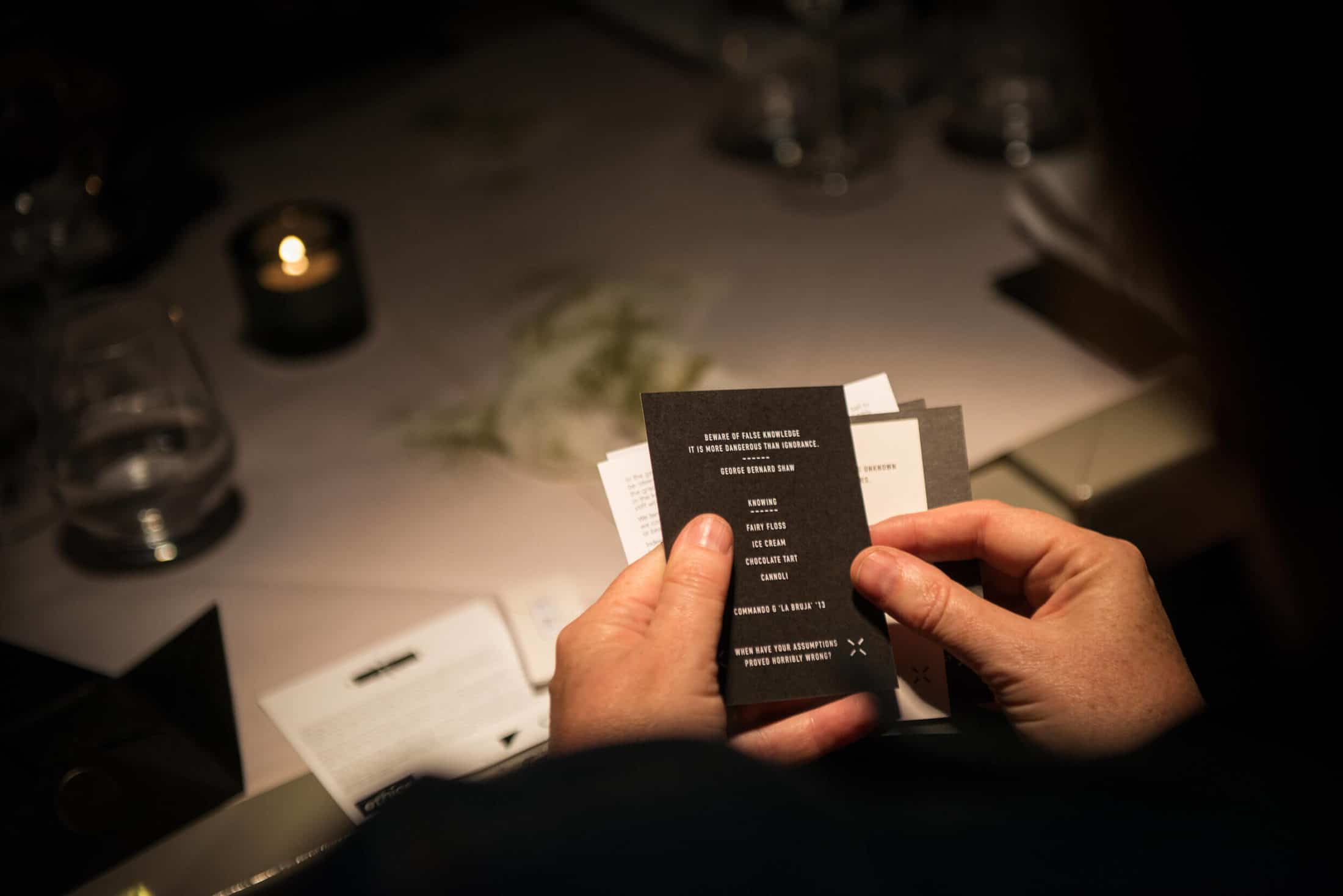
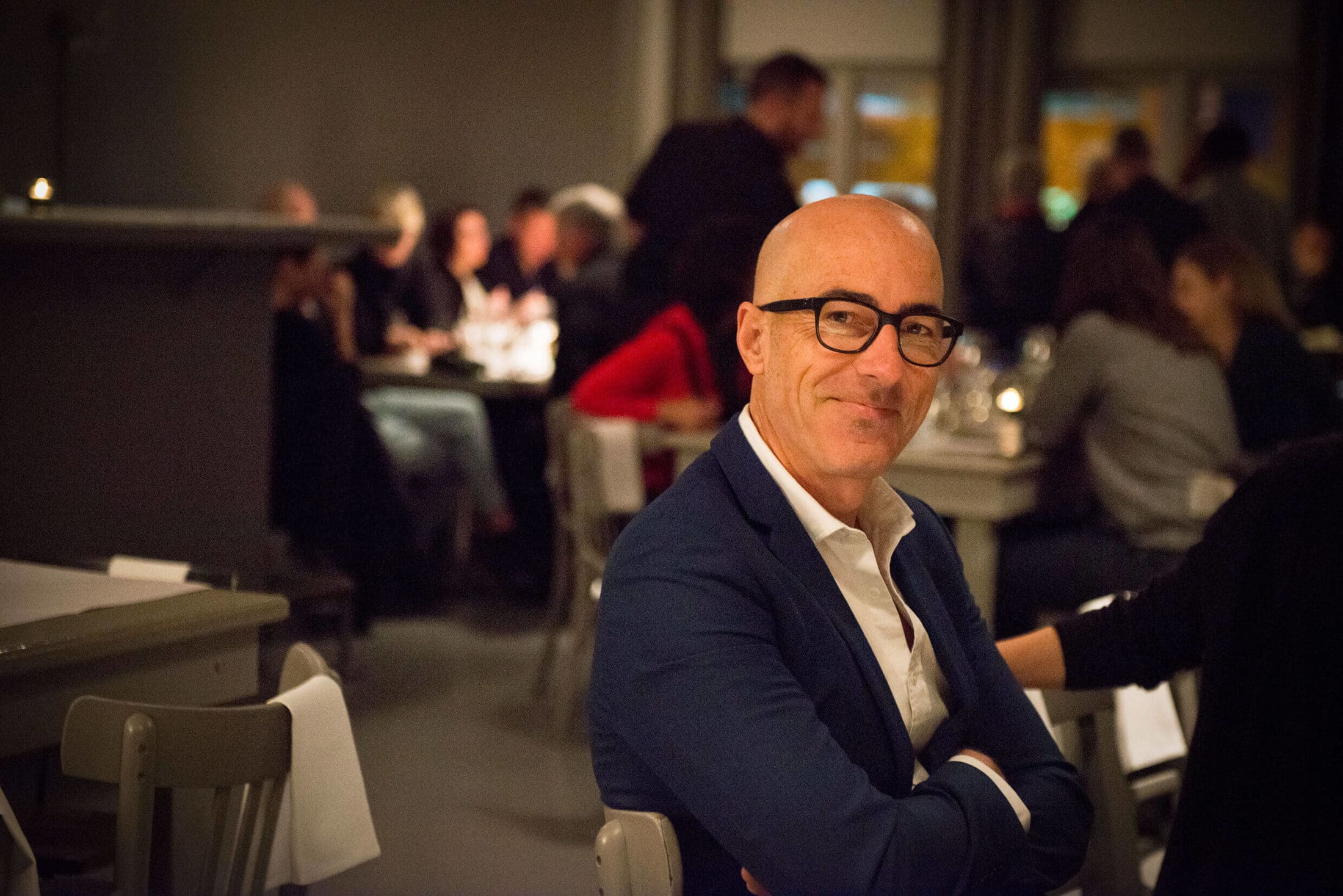
Hard Things to Talk About - Bias: Against the Grain
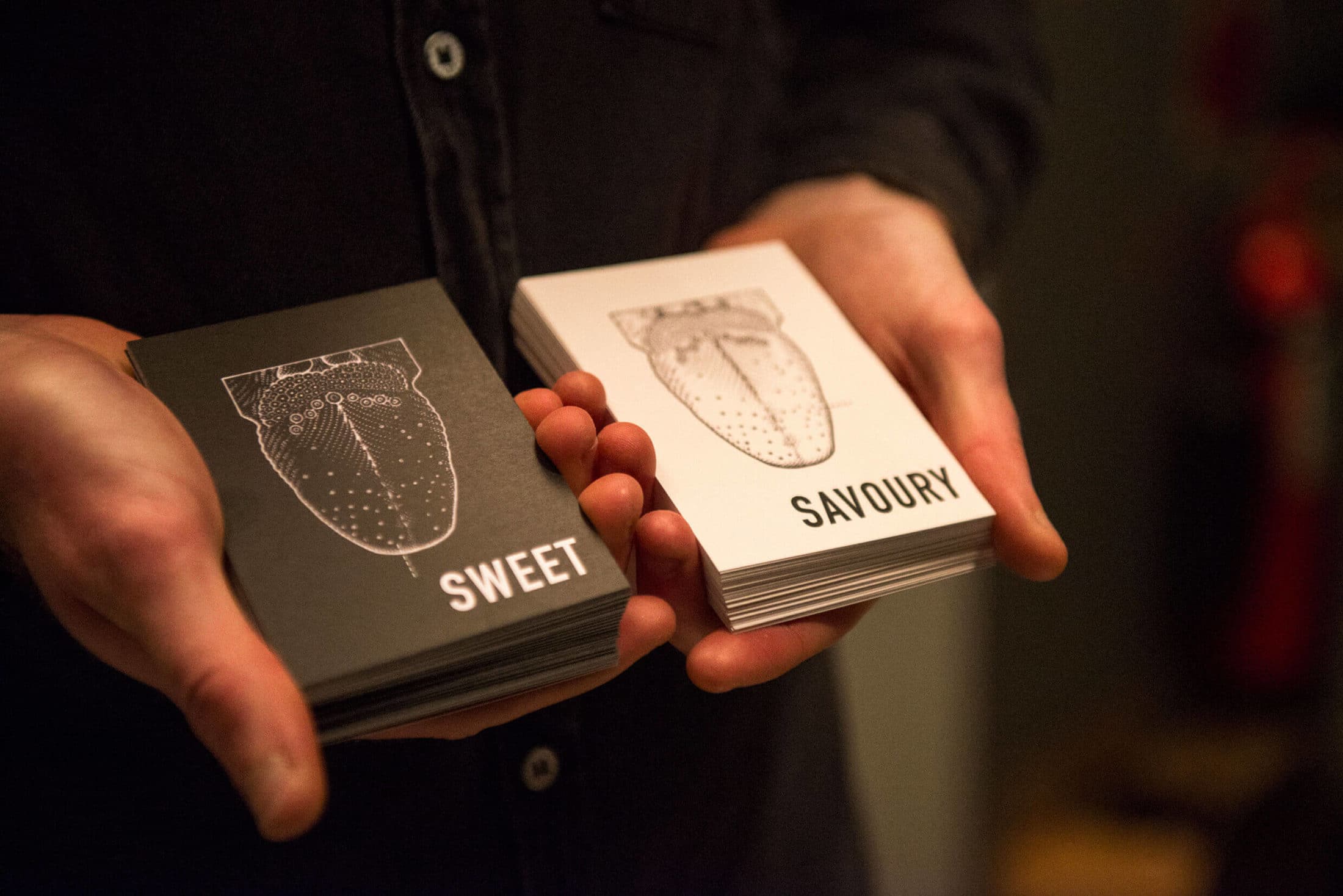
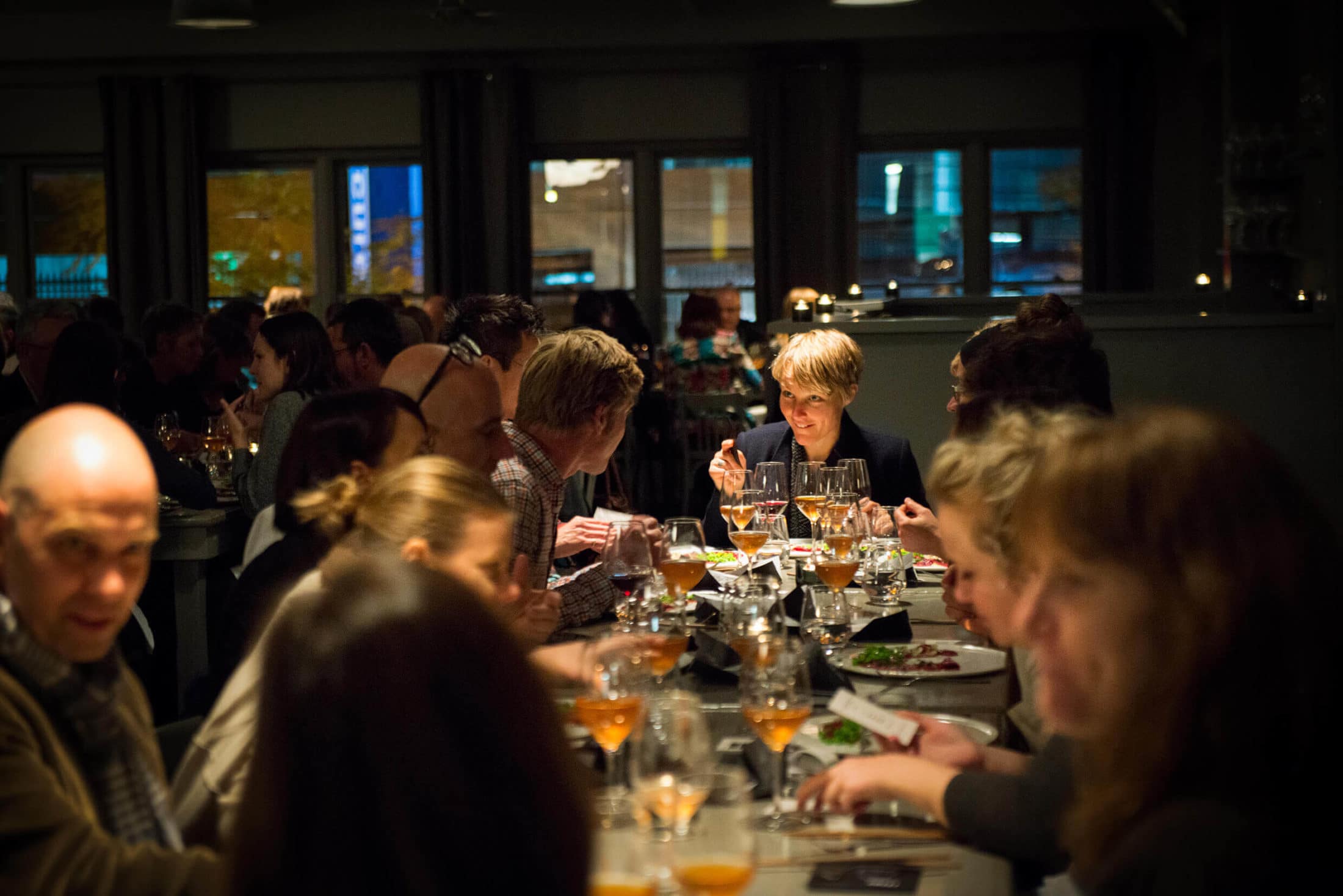
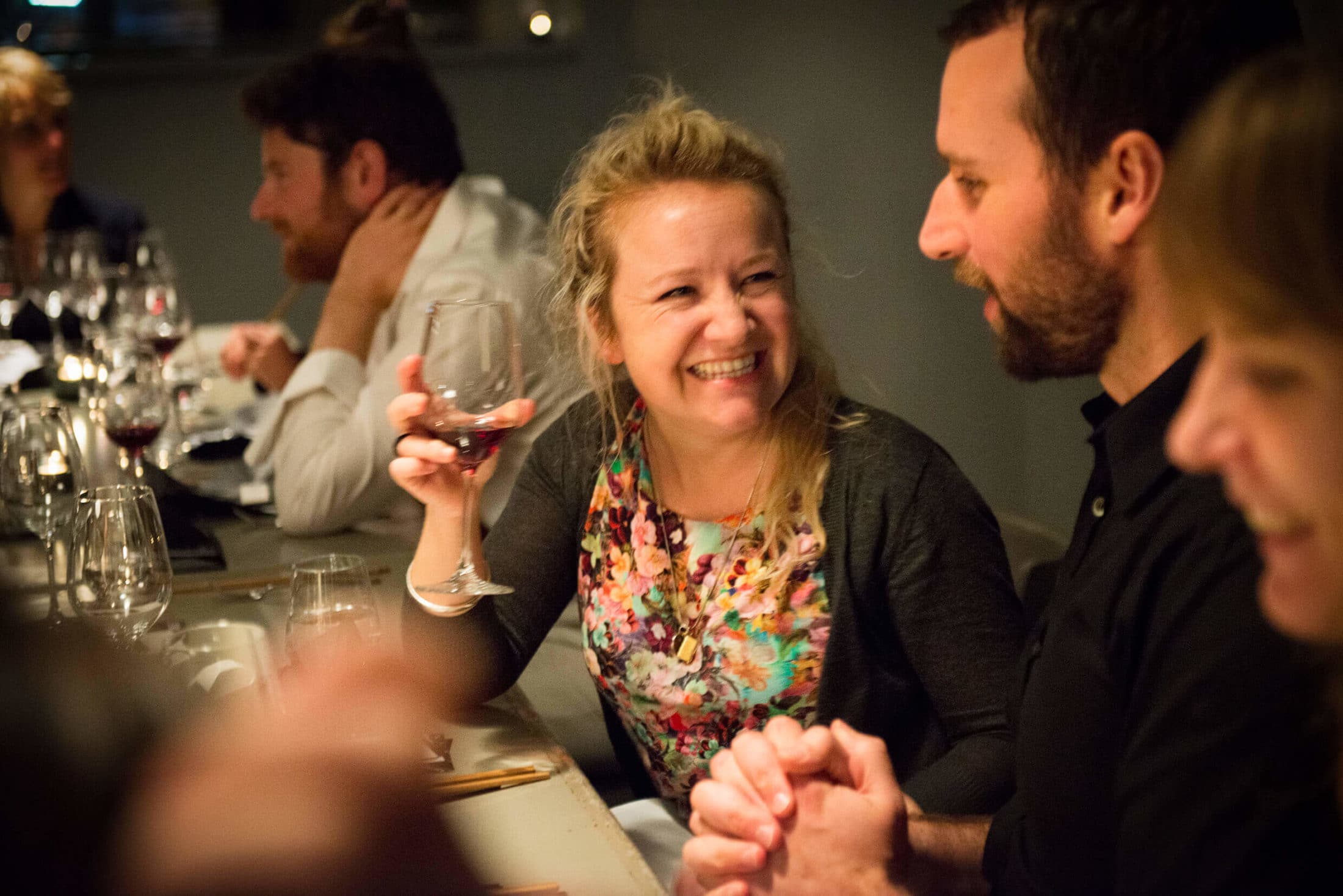
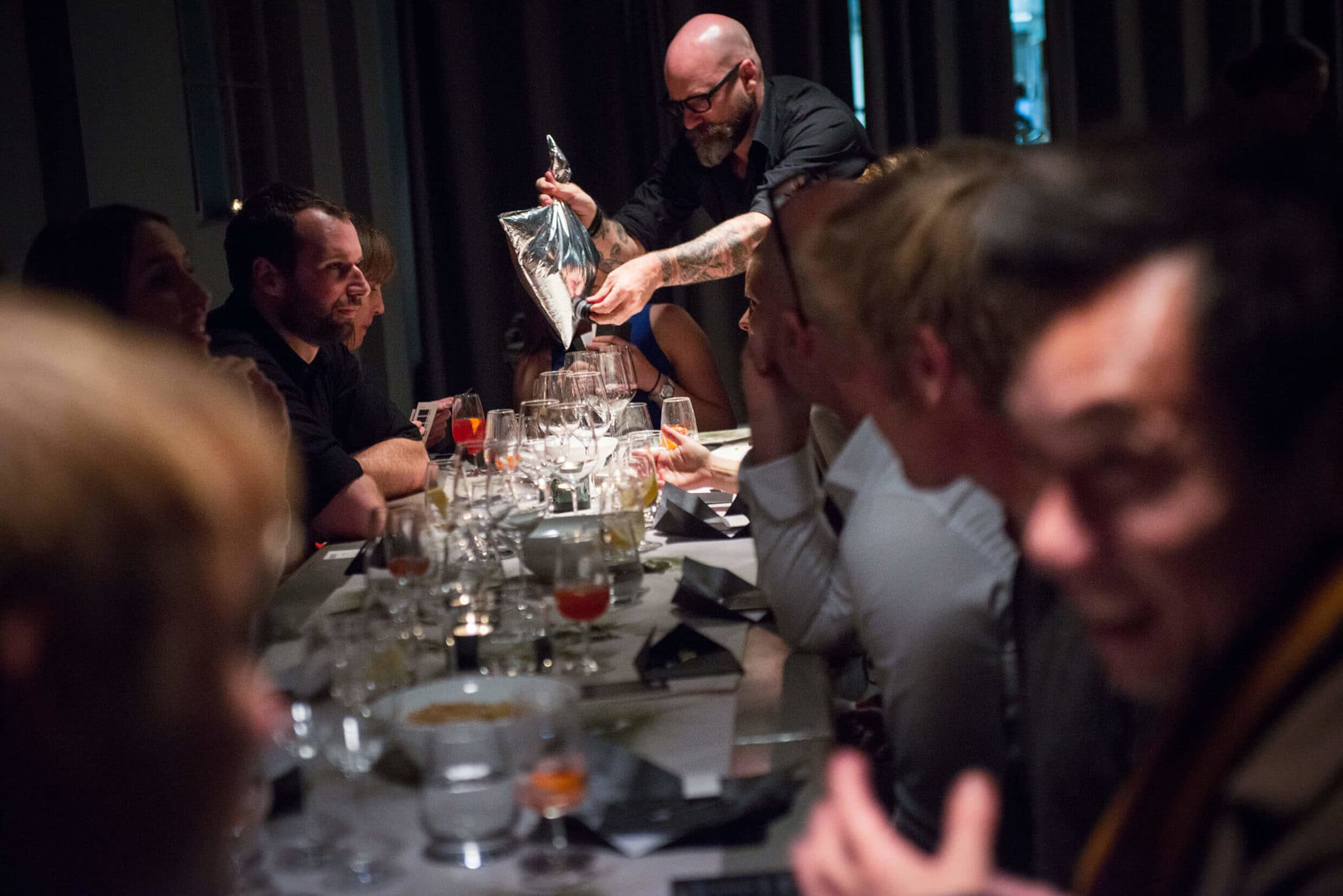
Who said some topics aren’t fit for the dinner table? We brought a taste of danger to dinner.
Awkward, challenging or taboo? We’ll have it for the table, please.
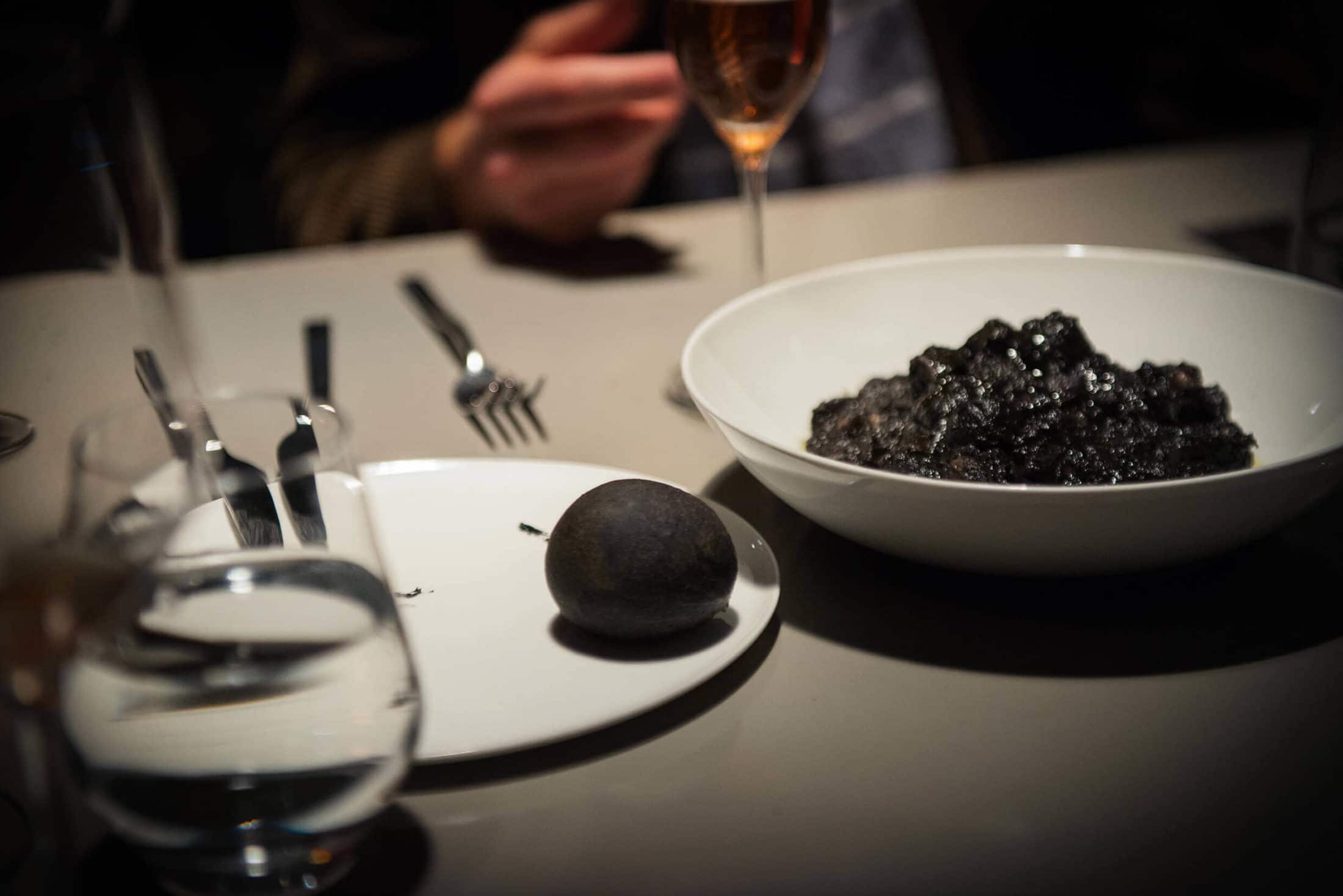
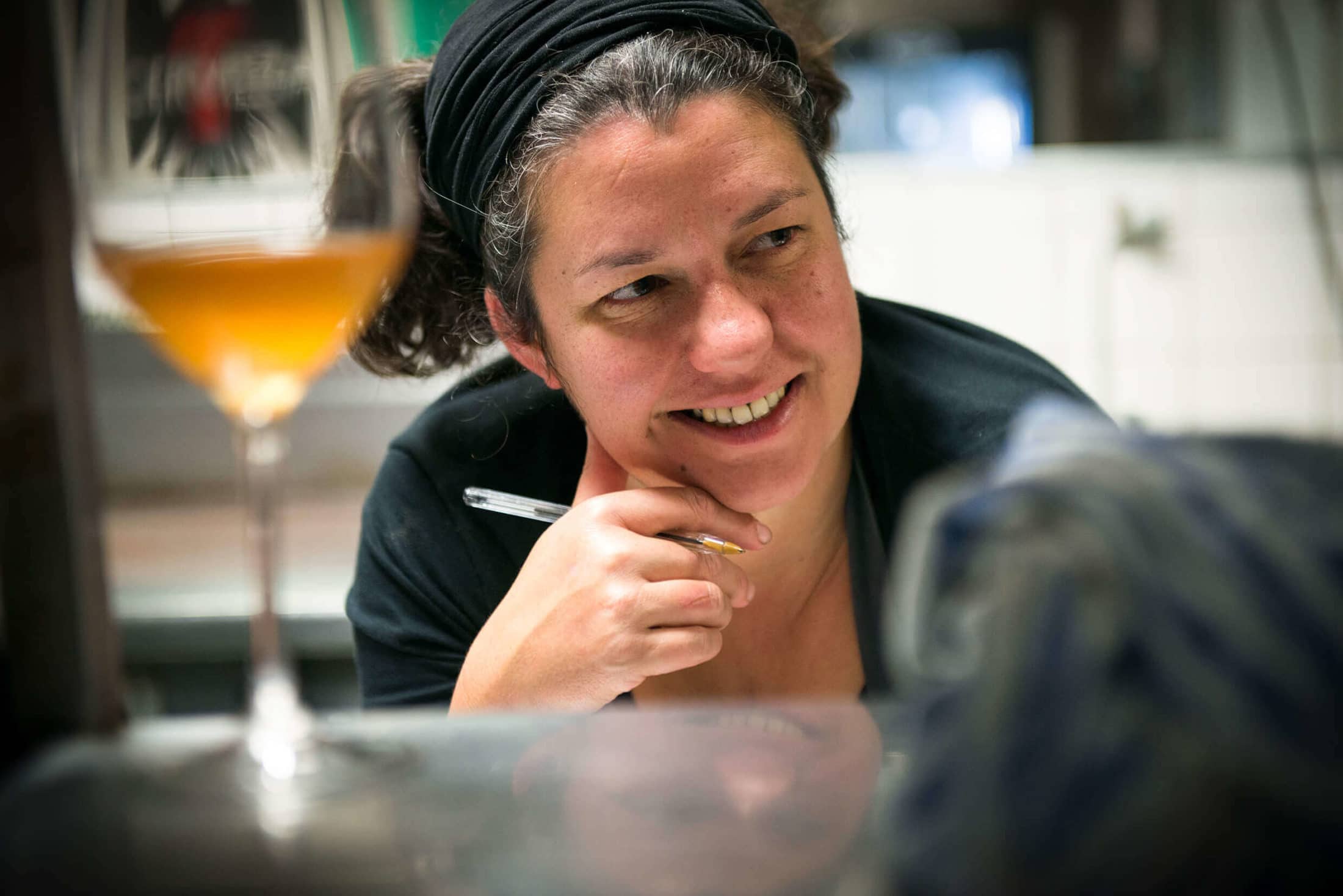
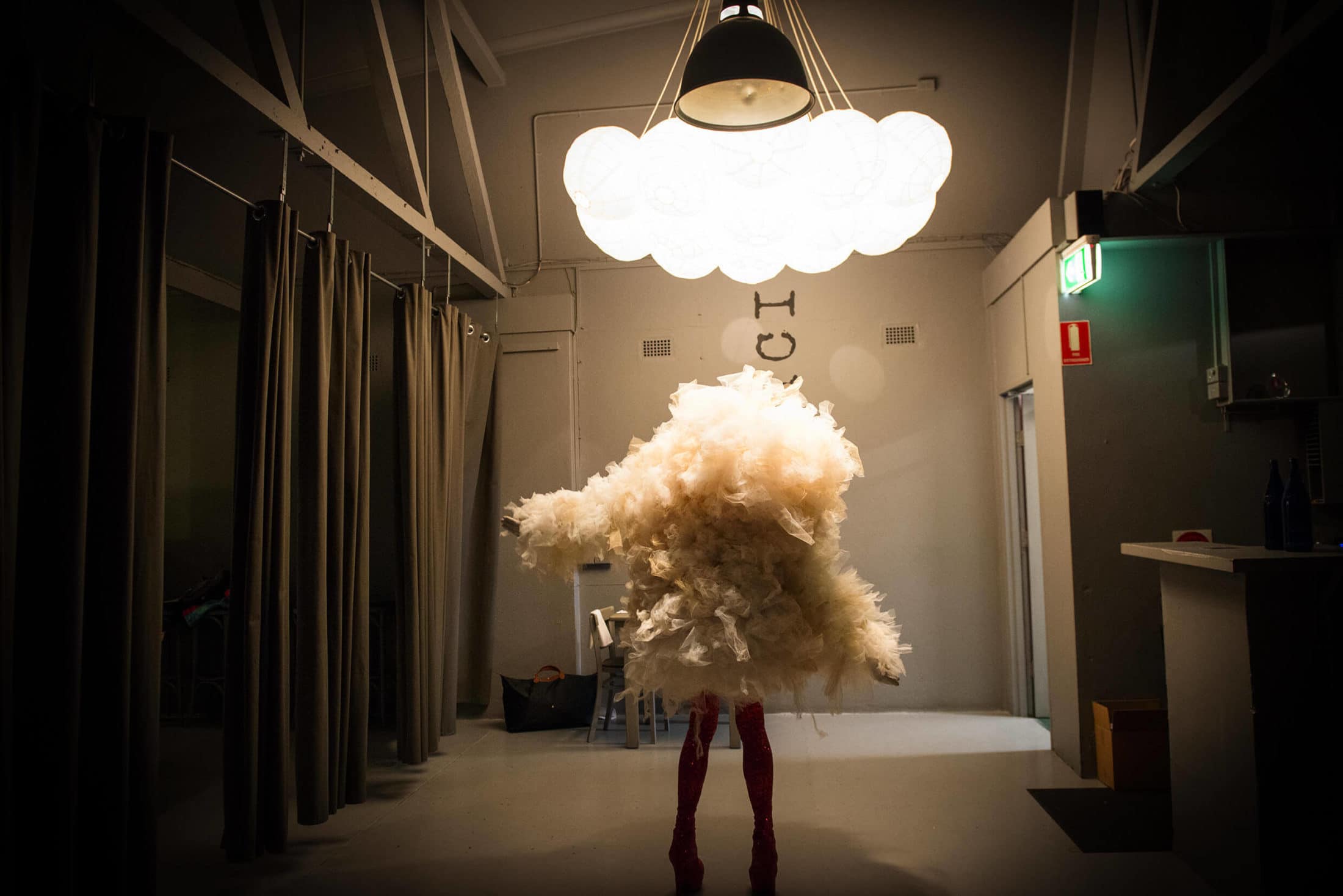
Risk takers and adventurous spirits alike interrogated their biases at the ‘Hard Things To Talk About’ dinner. Chef O Tama Carey’s five-course menu kept them fed and watered, while John Neil and Wendy Zukerman dissected bias’ evolutionary basis. Is openness unequivocally good?
“A superb evening of sensory curiosities provoking the richest of conversations.” Guest
“It was so much more than a dinner. It really broke down boundaries and opened us up.” Guest
“So amazing to have new and meaningful conversations with old friends.” Guest
Photo gallery:




Speakers

John Neil
is co-head of Advice & Education at The Ethics Centre.

Wendy Zukerman
is a science journalist and podcaster.
Who is it for?
- THE FOODIE
- THE IDEALIST
- THE SKEPTIC
What you'll take away
- 01A CONFUSED PALETTE
- 02A FULL BELLY
- 03A SINKING SENSE OF YOUR OWN BIASES


IQ2 Debate: We Should Price Nature to Protect It

STREAM
IQ2 Debate
DATE & TIME
21 JULY 2015
LOCATION
CITY RECITAL HALL
Is it wrong to put a price on nature?
Pragmatists argue the only way to save our planet is to put a dollar value on it. But is that just giving in to moral degradation?
Without the promise of fame or money, saving the planet is moving down the ranks of humanity’s growing to-do list. Some argue the only way to bump it up is to put a dollar value on the ‘services’ it provides. Wetlands control floods. Trees store carbon. Waves are good fun. If money talks, the planet’s natural capital – $125 trillion a year – says quite a bit.
But can it be justified? And is subjecting nature to market forces too risky? Traditional conservation methods ain’t broke, with success stories in Australia, the US and Germany. Moreover, what is the impact of a natural disaster? Nature isn’t always interested in giving us happy fun times. Would the ecosystems that house bushfires and floods become worthless?
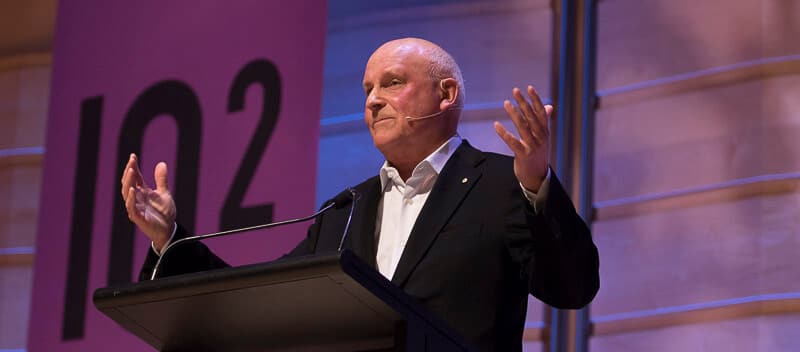
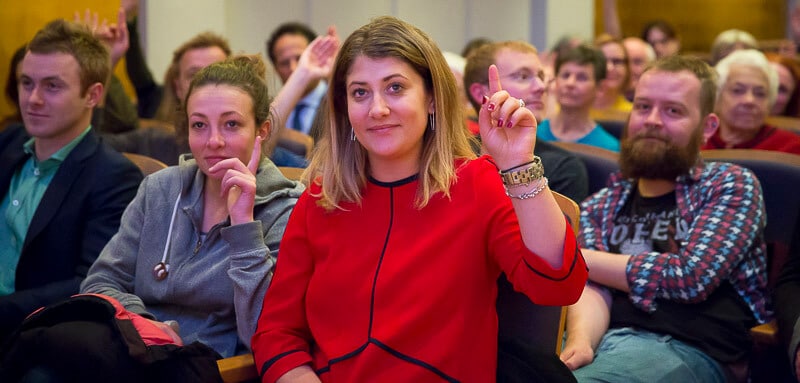
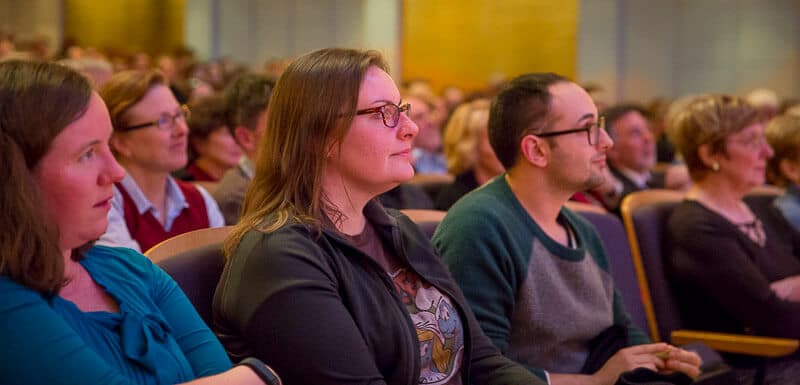
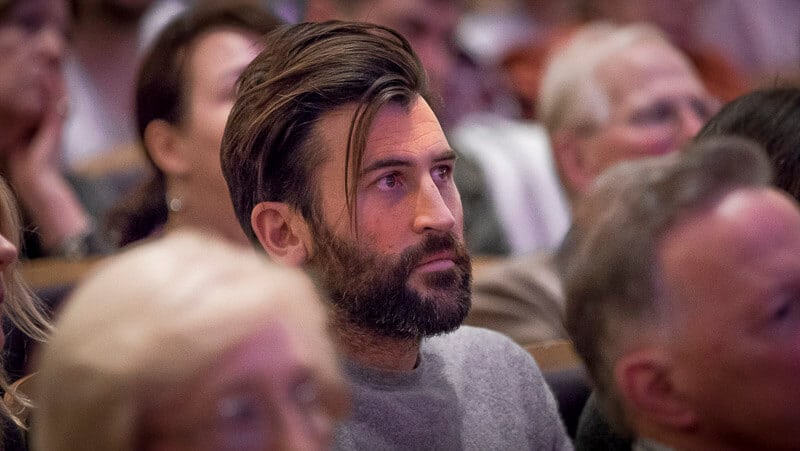
Here what the expects had to say as they took to the IQ2 stage to debate the motion ‘We Should Price Nature to Protect It’ in July 2015.
Catch up
Interested in hearing what both sides had to say? You can watch the complete debate on demand, just hit play below.
Photo gallery
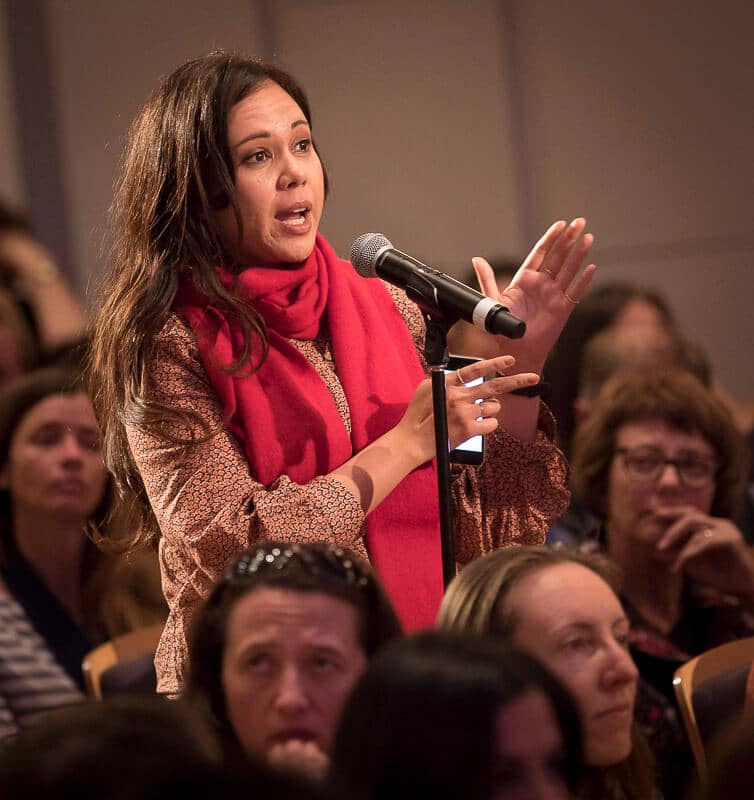
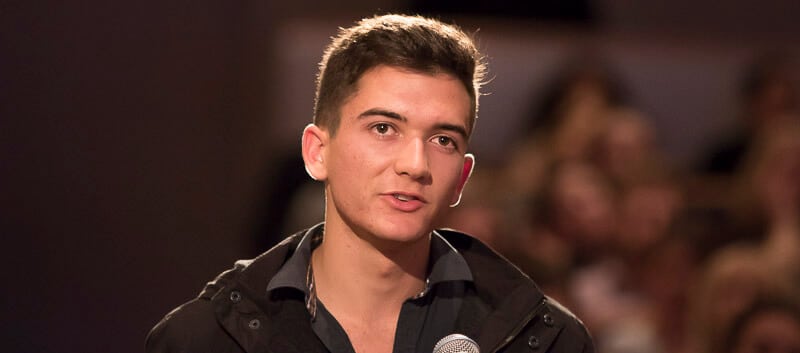
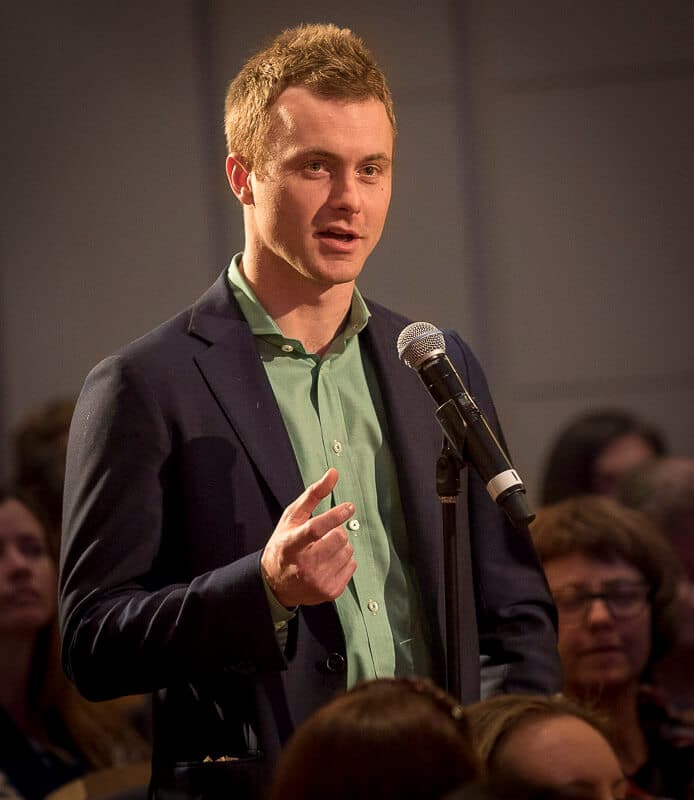
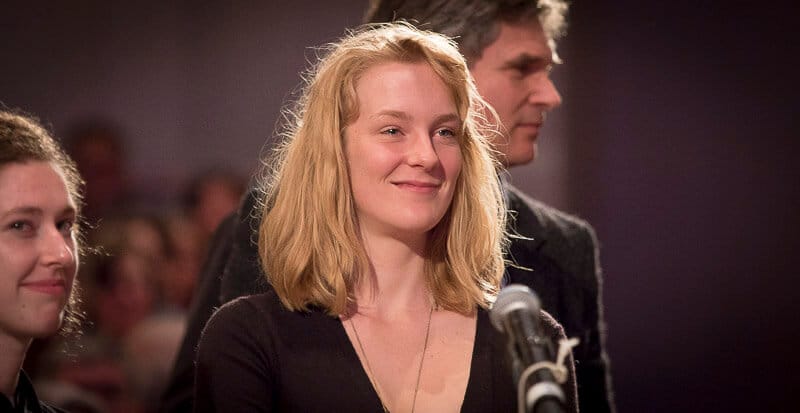
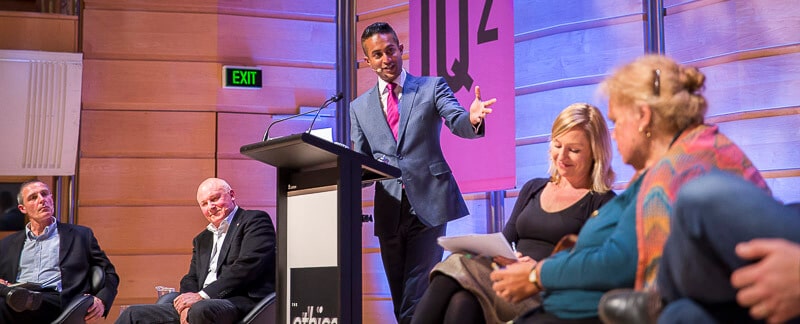
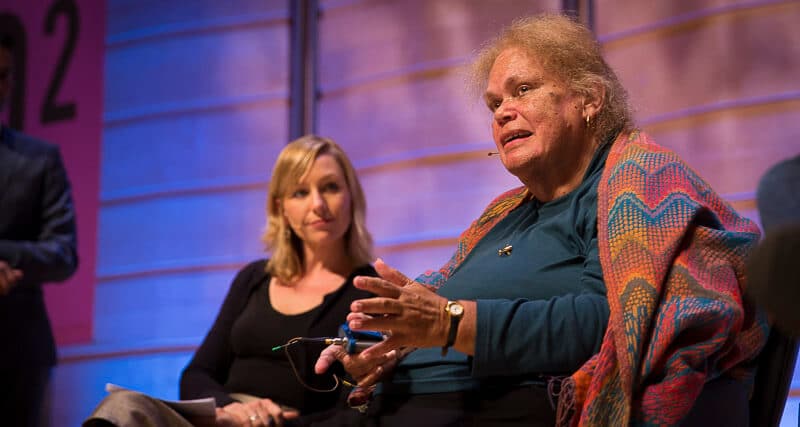
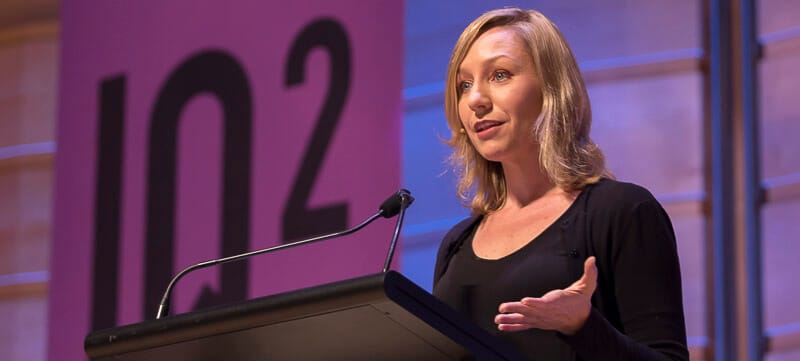
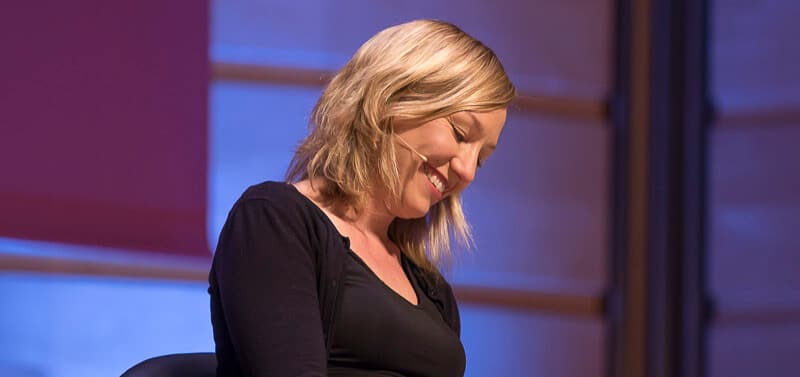
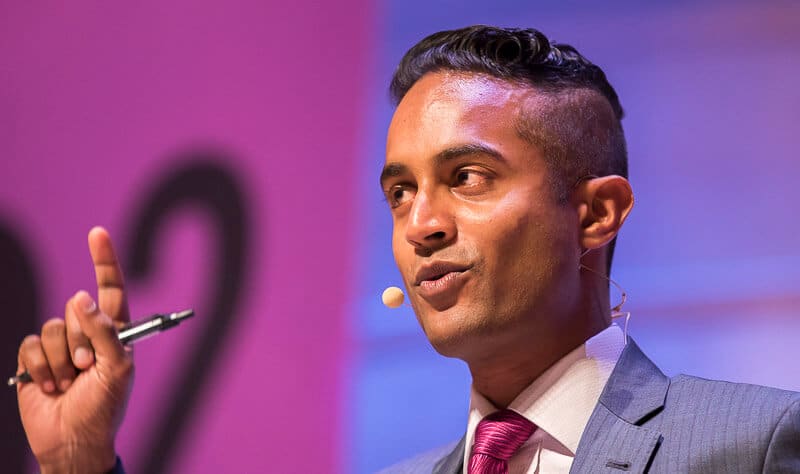
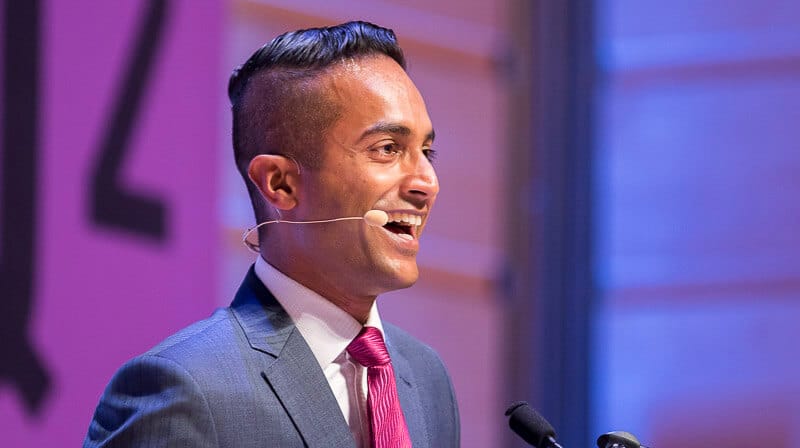
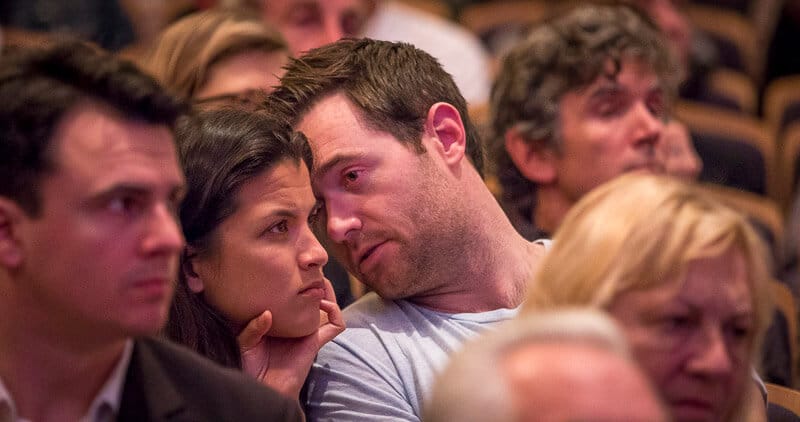
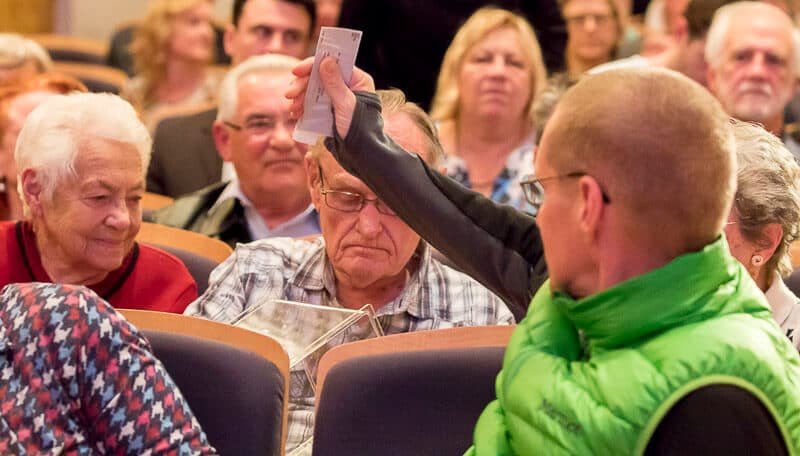
Check out the moments captured by our photographers at the live debate. Click to expand or drag the cursor over the images to scroll through the entire gallery.






Speakers

Cullen Gunn
is the Founder and CEO of Kilter Rural, a business that builds long-term, sustainable investments in Australian agriculture, water and ecosystem resources. He has over 20 years experience in farmland and water management.

Penelope Figgis
is a leading conservationist. She was appointed both a Member and Officer of the Order of Australia (AM and AO) for her contributions to environmental policy and protection. Penelope is the Vice Chair for Oceania with the IUCN World Commission on Protected Areas.

Larissa Waters
is former Co-Deputy Leader of the Australian Greens she was Queensland’s first Greens Senator. Formerly environmental lawyer for eight years, Larissa was the Australian Greens’ spokesperson on the Environment and Biodiversity, Women, Resources, Mining and Coal Seam Gas.

Mary Graham
is an Aboriginal elder, philosopher, and Adjunct Associate Professor at the University of Queensland. She is the Co-Founder of BlackCard, an educational organisation where elders teach Aboriginal philosophies and worldviews.

Richard Dennis
is an economist and Executive Director of the Australia Institute. Previously Chief of Staff to former Democrats leader Natasha Stott Despoja and Strategy Adviser to former Greens leader Bob Brown. He is an Adjunct Associate Professor at the the ANU.

Geoff Cousins
is a businessman, former Howard government adviser and conservationist. He is chairman of the Australian Conservation Society. A highly successful adman turned eco warrior he is outspoken and influential on environmental issues.
Who is it for?
- THE ACTIVIST
- THE IDEALIST
- THE PRAGMATIST
What you'll take away
- 01‘AHA!’ MOMENTS A-PLENTY
- 02AN INSIGHT INTO YOUR RELATIONSHIP WITH NATURE
- 03THE LIMITS OF CONSUMERISM